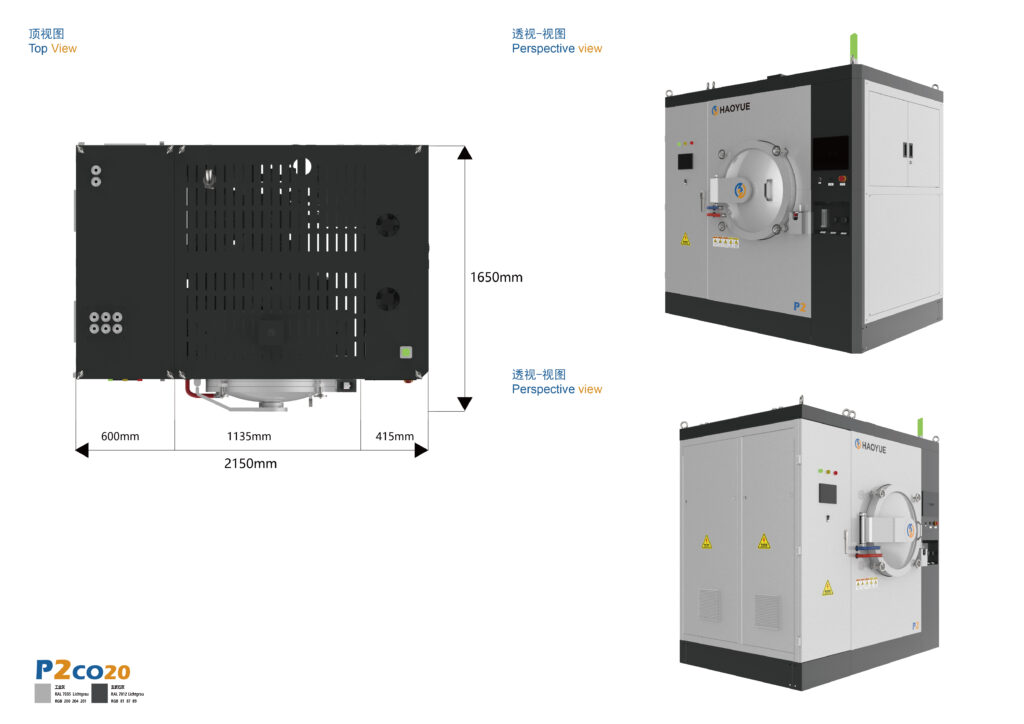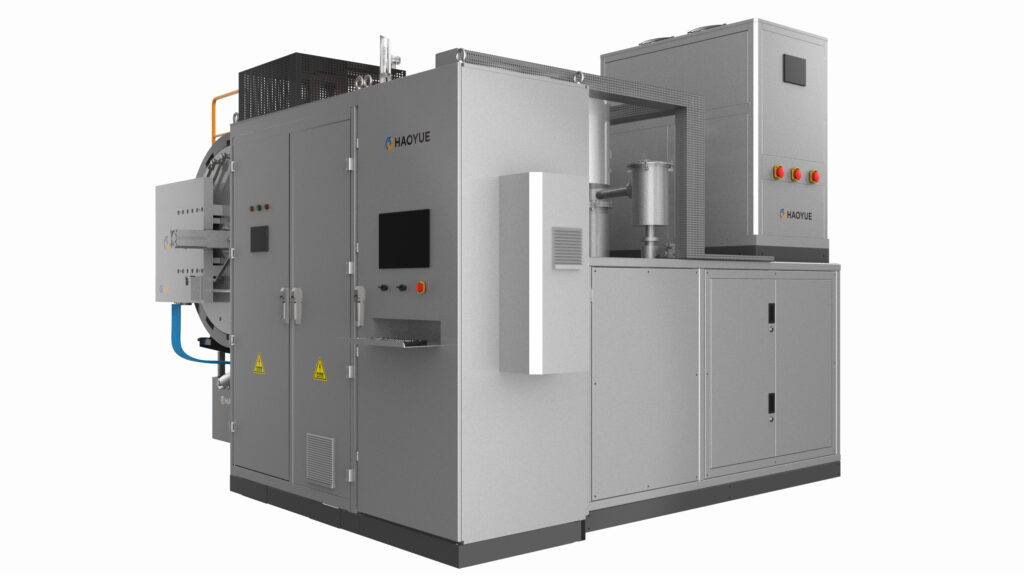






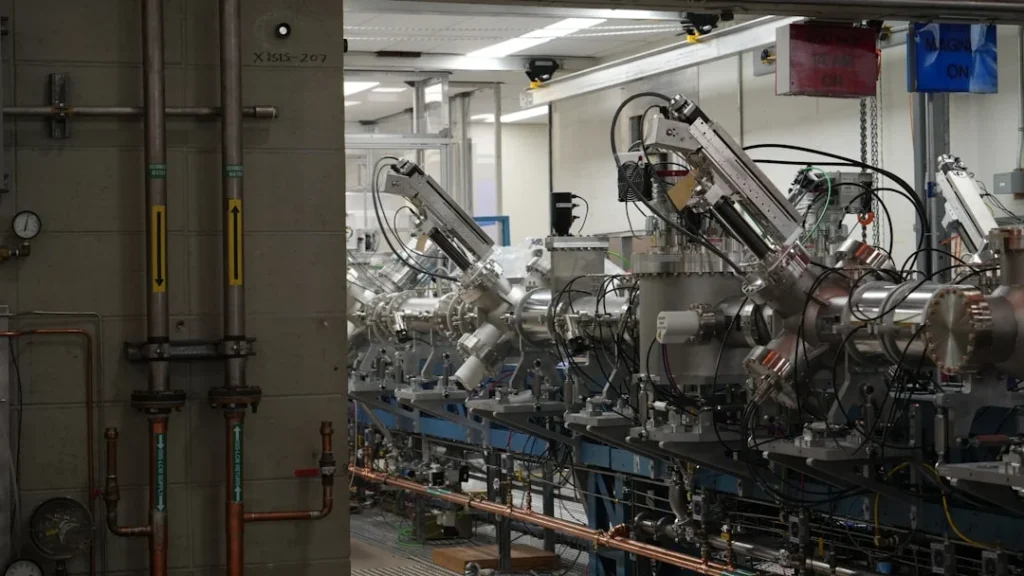
In the field of high-performance metallurgy, advanced ceramics, and specialized component manufacturing, achieving precise thermal control is paramount. Selecting a reliable vacuum sintering furnace manufacturer or a versatile vacuum furnace manufacturer is often the first step for industries looking to elevate their material properties. When comparing a vacuum furnace vs atmosphere furnace, the absence of atmospheric gases prevents oxidation, decarburization, and contamination, allowing for unparalleled material purity, density, and structural integrity.
Advanced Sintering Technologies and Material Processing
Modern industrial applications demand tailored sintering methods to handle complex material behaviors. For instance, the traditional vacuum sintering process is highly effective for consolidating powder compacts into solid parts. However, when engineers face high-performance materials, comparing HIP vs vacuum sintering becomes crucial. Hot Isostatic Pressing (HIP), sourced from a qualified HIP manufacturer, applies simultaneous heat and isostatic gas pressure to eliminate internal porosity. For other high-density configurations, analyzing vacuum sintering vs pressure sintering helps determine if mechanical or gas assistance is necessary during thermal consolidation.
For rapid consolidation of difficult-to-sinter materials, engineers often evaluate SPS vs hot pressing. Spark Plasma Sintering (SPS), engineered by a leading SPS furnace manufacturer, utilizes pulsed direct current to generate localized heating, enabling rapid densification. Conversely, a hot pressing furnace manufacturer designs systems that apply uniaxial mechanical force and heat over longer cycles. For ultra-high-temperature ceramics, a gas pressure sintering furnace is frequently deployed to suppress material dissociation at elevated temperatures, which is essential for successful silicon carbide sintering, the delicate zirconia sintering process, and the high-purity alumina sintering process.
Industrial Applications and Sector-Specific Solutions
Thermal processing systems are highly specialized to meet the quality standards of various high-tech sectors:
- Aerospace: Critical turbine blades and structural parts undergo exact thermal cycles in an aerospace vacuum furnace or a dedicated aerospace heat treatment furnace to execute precise titanium alloy heat treatment protocols.
- Medical and Dental: Biomedical components rely on high biocompatibility, which is achieved using a specialized medical implant sintering furnace or a compact dental implant vacuum furnace to ensure flawless material purity.
- Semiconductors and Energy: Precision electronics require the implementation of a high-purity semiconductor vacuum furnace, while advanced battery cells require specialized conditions engineered inside a battery material sintering furnace. Additionally, a vacuum hydrogen furnace is often deployed for reduction and sintering of sensitive refractory metals.
- Industrial Tooling: The production of wear-resistant cutting tools relies heavily on tungsten carbide sintering and molybdenum sintering, both of which are optimized inside a heavy-duty carbide tool sintering furnace.
Optimizing Heat Treatment and Joining Processes
Beyond sintering, achieving the desired mechanical properties requires precise post-processing. Partnering with an experienced vacuum heat treatment furnace manufacturer allows operators to execute a controlled vacuum annealing process to relieve internal stresses, or a rapid vacuum hardening process to increase wear resistance and tensile strength. When selecting equipment, deciding between a graphite furnace vs molybdenum furnace is a critical engineering choice; graphite hot zones offer cost-effective high-temperature performance, whereas molybdenum hot zones provide the ultra-clean, metal-sealed environments required for sensitive alloys.
For joining assemblies, the precision of the vacuum brazing process is unmatched. Partnering with a specialized vacuum brazing furnace manufacturer ensures high-strength, leak-tight joints without the need for flux. When analyzing the advantages of vacuum brazing vs conventional brazing, the vacuum environment eliminates the risk of flux entrapment, reduces oxidation, and allows for the joining of dissimilar metals with minimal distortion, making it the preferred choice for high-vacuum and aerospace assemblies.
Conclusion
Navigating the complexities of advanced thermal processing requires a deep understanding of material characteristics, equipment capabilities, and process parameters. Whether your application demands rapid consolidation, precise heat treatment, or specialized atmosphere control, collaborating with an industry-leading manufacturer ensures your production line achieves maximum efficiency, repeatability, and product quality.