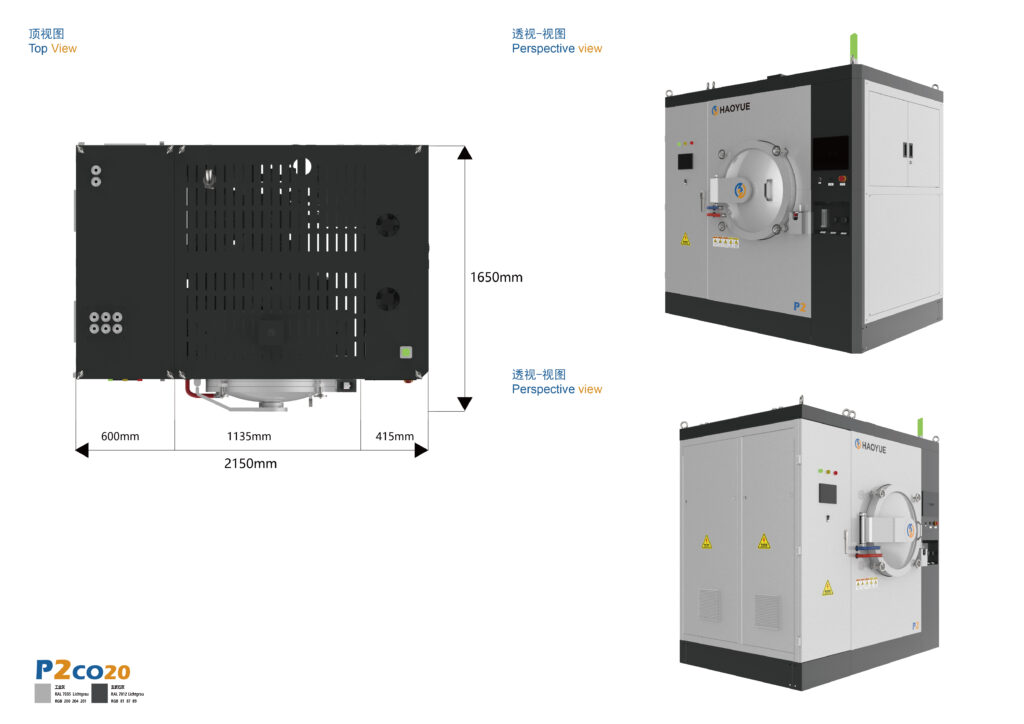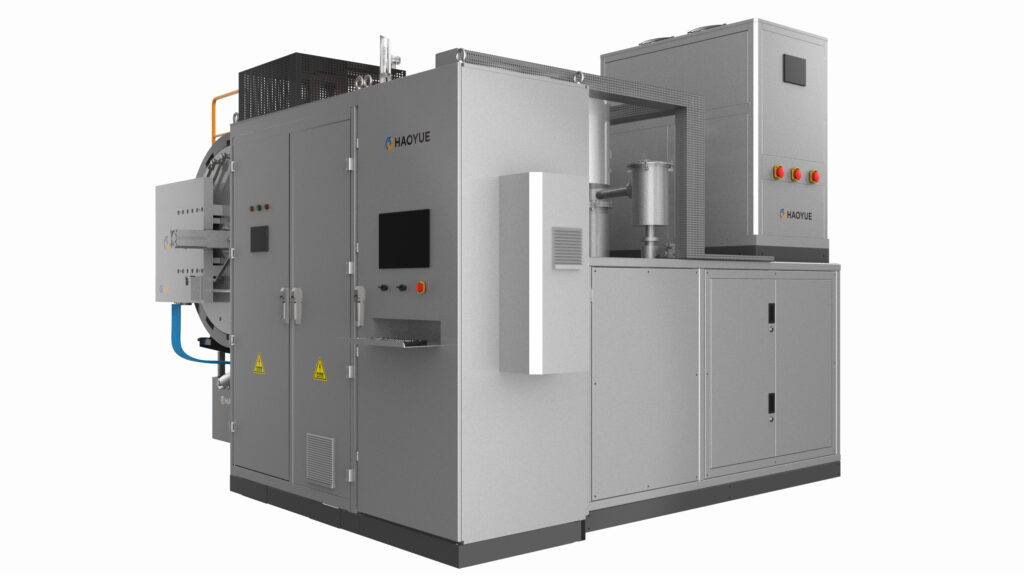






In the rapidly evolving landscape of advanced metallurgy, semiconductor manufacturing, and aerospace engineering, the demand for high-precision thermal processing has never been greater. Achieving superior material properties requires a deep understanding of thermodynamics, atmospheric control, and equipment design. As a premier vacuum furnace manufacturer, we specialize in engineering state-of-the-art thermal systems that empower global industries to push the boundaries of material science. From sintering advanced structural ceramics to executing complex metal joining, selecting the right thermal processing setup is critical to manufacturing success.
Advanced Sintering Technologies: Navigating Complex Material Requirements
Sintering is a foundational process for producing high-density, high-strength components from powder compacts. Modern industrial applications demand tailored thermal profiles, leading to the development of specialized equipment to optimize the vacuum sintering process. For instance, high-performance ceramics require precise atmospheric control; achieving optimal density in silicon carbide sintering, the zirconia sintering process, and the alumina sintering process requires temperatures exceeding 1600°C in a highly controlled environment. Similarly, refractory metals and hard alloys rely on specialized thermal cycles, such as those used in tungsten carbide sintering and molybdenum sintering, to prevent oxidation and control grain growth.
When selecting the ideal consolidation technology, engineers must evaluate competing methodologies. A common debate in rapid consolidation is SPS vs hot pressing. Spark Plasma Sintering (SPS) utilizes pulsed direct current to achieve rapid densification, making an experienced SPS furnace manufacturer a vital partner for R&D and advanced materials production, whereas a traditional hot pressing furnace manufacturer provides systems optimized for larger, uniform structural components using uniaxial pressure. For ultra-high-density requirements, comparing HIP vs vacuum sintering is essential; Hot Isostatic Pressing (HIP) applies simultaneous high temperature and isostatic gas pressure to eliminate internal porosity, leading many high-end manufacturers to consult a certified HIP manufacturer for critical aerospace and medical components.
Furthermore, evaluating vacuum sintering vs pressure sintering helps determine the mechanical limits of the final product, especially when dealing with nitrogen-based ceramics where a gas pressure sintering furnace is required to suppress thermal decomposition. Choosing the right heating element configuration is another critical decision; a comparative analysis of a graphite furnace vs molybdenum furnace reveals that while graphite offers cost-effective, high-temperature performance in non-reactive atmospheres, molybdenum zones are indispensable for cleanroom environments and carbon-sensitive alloys.
Precision Heat Treatment and Brazing Processes
Beyond sintering, achieving specific mechanical properties in metallic alloys requires precise thermal cycles. A leading vacuum heat treatment furnace manufacturer designs equipment capable of executing exact heating and cooling rates. For example, titanium alloy heat treatment requires extremely low leak rates and high vacuum levels to prevent hydrogen embrittlement and oxygen contamination. These systems are also optimized for the vacuum annealing process to relieve internal stresses, as well as the vacuum hardening process to maximize wear resistance in tool steels.
When comparing a vacuum furnace vs atmosphere furnace, the vacuum environment consistently delivers superior surface finishes, zero decarb, and distortion-free results by eliminating reactive gases. This clean environment is also highly beneficial for joining technologies. Utilizing a vacuum brazing process ensures flux-free, high-strength joints in complex assemblies. When comparing vacuum brazing vs conventional brazing, the vacuum method eliminates the need for corrosive flux cleanup, prevents oxidation, and allows for the simultaneous joining of multiple joints in a single cycle, making the selection of a reliable vacuum brazing furnace manufacturer paramount for high-tech production lines.
Industry-Specific Thermal Solutions
Different industries present unique challenges that demand tailored equipment configurations. In the aerospace sector, safety and component integrity are non-negotiable. Utilizing a specialized aerospace vacuum furnace and an aerospace heat treatment furnace ensures strict compliance with NADCAP standards for turbine blades, landing gear, and structural components. In the medical sector, biocompatibility is key; a dedicated medical implant sintering furnace is used to process porous titanium coatings, while a precise dental implant vacuum furnace ensures the aesthetic and structural integrity of zirconia-based dental prosthetics.
The electronics and energy sectors also rely heavily on vacuum thermal processing. A high-purity semiconductor vacuum furnace is critical for wafer processing, thin-film deposition, and annealing steps where even ppb-level contamination can ruin a batch. For green energy applications, a specialized battery material sintering furnace optimizes the electrochemical performance of anode and cathode powders. Additionally, the cutting tool industry utilizes a robust carbide tool sintering furnace to produce wear-resistant inserts. For processes requiring reducing atmospheres, a high-safety vacuum hydrogen furnace is employed to facilitate oxide reduction and sintering of specialized alloys under active hydrogen gas.
Partnering with a Leading Vacuum Sintering Furnace Manufacturer
Selecting the right thermal processing equipment is a long-term investment that directly impacts product quality, operational efficiency, and manufacturing yield. As an experienced vacuum sintering furnace manufacturer, we offer a comprehensive portfolio of thermal processing systems tailored to your exact process specifications. Whether you are scaling up advanced ceramic production, upgrading your aerospace heat treatment capabilities, or setting up a high-throughput semiconductor line, our engineering team is ready to design a solution that meets your rigorous standards. Contact us today to discuss your thermal processing requirements and discover how our advanced vacuum technologies can elevate your manufacturing capabilities.