





In modern metallurgy and advanced material science, achieving optimal mechanical properties requires precise thermal processing. As a premier vacuum furnace manufacturer, we understand that selecting the right thermal environment is critical for high-performance applications. Whether you are dealing with advanced ceramics, refractory metals, or aerospace-grade superalloys, partnering with a specialized vacuum sintering furnace manufacturer ensures unmatched thermal uniformity, contamination-free processing, and precise atmosphere control.
Advanced Powder Metallurgy: Choosing the Right Sintering Technology
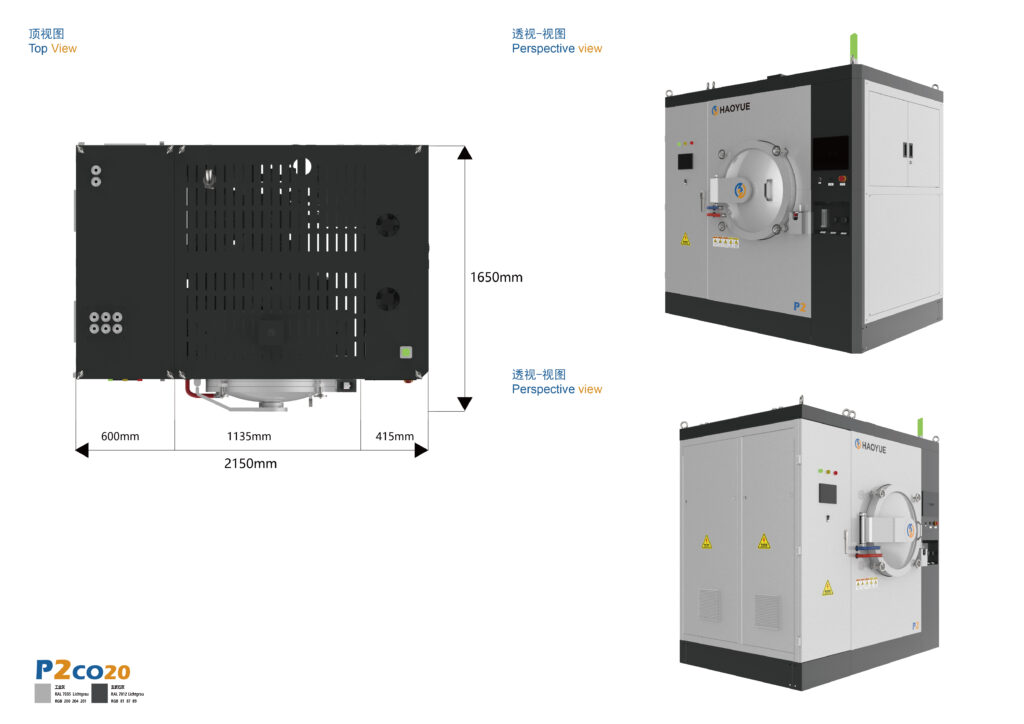
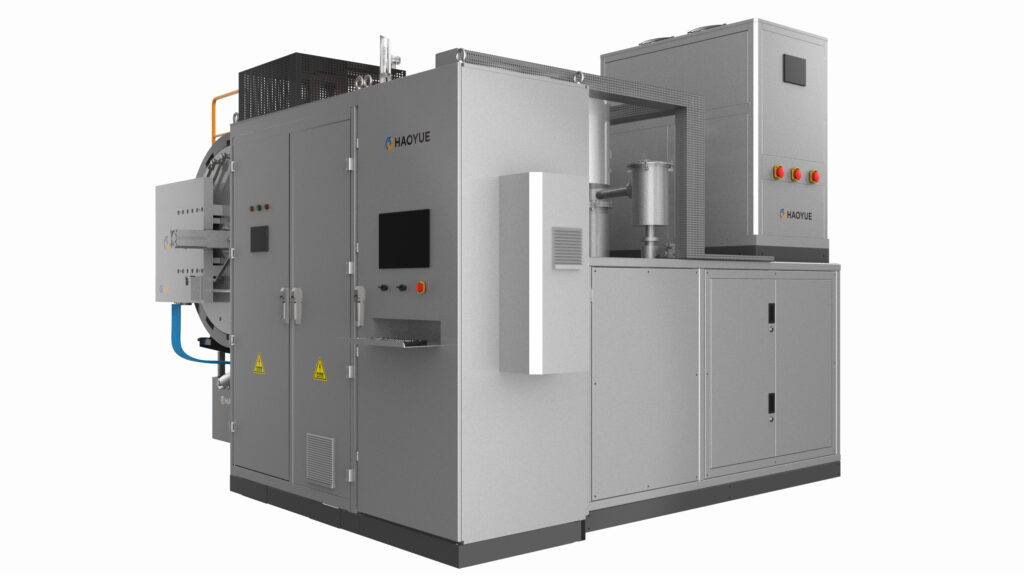
For material scientists, choosing between consolidation techniques is a critical decision. When evaluating SPS vs hot pressing, Spark Plasma Sintering offers rapid heating rates and shorter cycle times, whereas a specialized SPS furnace manufacturer or hot pressing furnace manufacturer can customize solutions for dense, fine-grained microstructures. For ultra-high reliability components, comparing HIP vs vacuum sintering reveals that Hot Isostatic Pressing eliminates internal porosity, a capability often delivered by a dedicated HIP manufacturer. However, the standard vacuum sintering process remains highly cost-effective for complex geometries.
Advanced technical ceramics demand strict thermal profiles. For instance, silicon carbide sintering requires temperatures exceeding 2000°C under precise vacuum or inert gas conditions. Similarly, the zirconia sintering process and alumina sintering process are vital for producing wear-resistant components. In the tooling sector, tungsten carbide sintering ensures the extreme hardness required for cutting tools, often processed in a dedicated carbide tool sintering furnace.
Precision Thermal Processing and Joining
For critical structural components, working with an experienced vacuum heat treatment furnace manufacturer guarantees the mechanical integrity of high-stress parts. Processes like the vacuum annealing process relieve internal stresses in cold-worked metals, while the vacuum hardening process enhances wear resistance without surface oxidation. These techniques are vital for titanium alloy heat treatment, widely used in aviation, requiring an advanced aerospace vacuum furnace or a specialized aerospace heat treatment furnace to prevent hydrogen embrittlement.
When it comes to joining dissimilar metals, analyzing vacuum brazing vs conventional brazing highlights the superiority of vacuum environments. A vacuum brazing process designed by a leading vacuum brazing furnace manufacturer eliminates the need for corrosive fluxes, resulting in clean, high-strength joints that are essential for aerospace heat exchangers and medical devices.
Industrial Applications and Specialized Thermal Systems
Different industries require highly tailored thermal environments. In microelectronics, a high-purity semiconductor vacuum furnace is indispensable for wafer processing and thin-film deposition. For high-temperature reduction and sintering of refractory metals, a vacuum hydrogen furnace provides a highly reducing atmosphere to prevent oxidation. Additionally, a gas pressure sintering furnace combines vacuum heating with high-pressure gas overpressure, ideal for suppressing thermal decomposition during molybdenum sintering.
Medical and dental sectors rely on high-precision equipment; dental laboratories utilize a specialized dental implant vacuum furnace, while orthopedic device manufacturers depend on a medical implant sintering furnace to ensure biocompatibility and fatigue resistance. Meanwhile, energy sectors utilize a specialized battery material sintering furnace to synthesize advanced anode and cathode powders.
Technical Comparisons: Optimizing Your Thermal Investment
To optimize capital expenditure, engineers must evaluate fundamental equipment configurations. When comparing a vacuum furnace vs atmosphere furnace, vacuum systems offer superior dew point control and prevent decarburization, though atmosphere furnaces may offer higher throughput for low-alloy steels. Furthermore, understanding vacuum sintering vs pressure sintering helps determine if mechanical or gas overpressure is necessary to achieve theoretical density.
At the chamber design level, deciding between a graphite furnace vs molybdenum furnace depends entirely on the process gas and temperature requirements. Graphite hot zones are highly cost-effective and durable for carbon-tolerant materials, while molybdenum hot zones (metal hot zones) are mandatory for cleanroom-compatible processes, semiconductor components, and specific refractory metals.