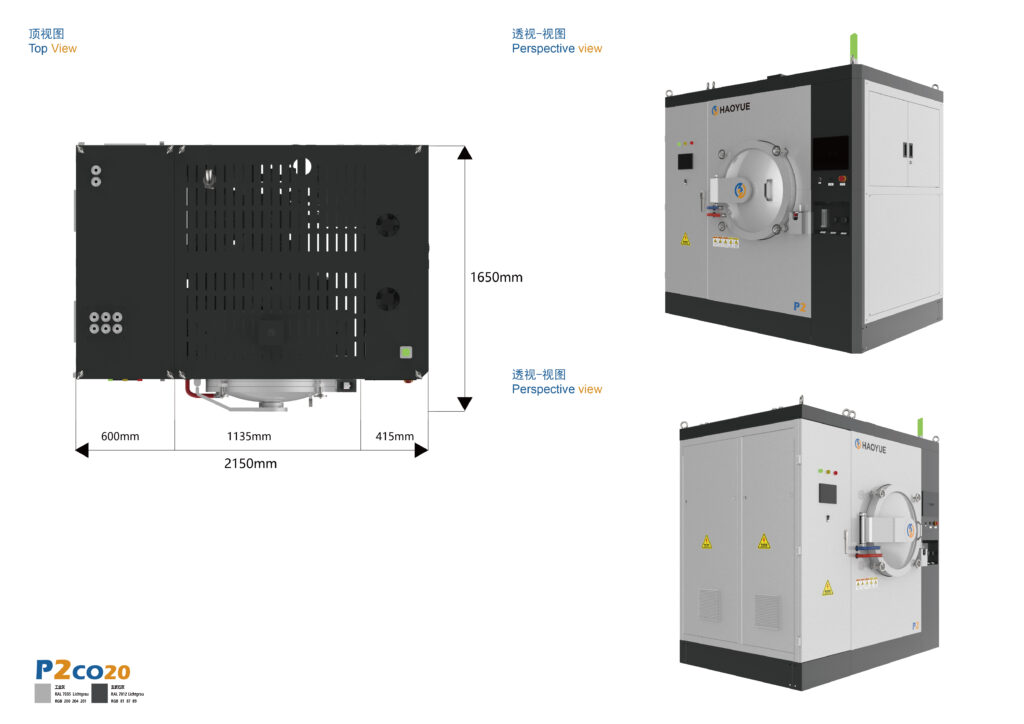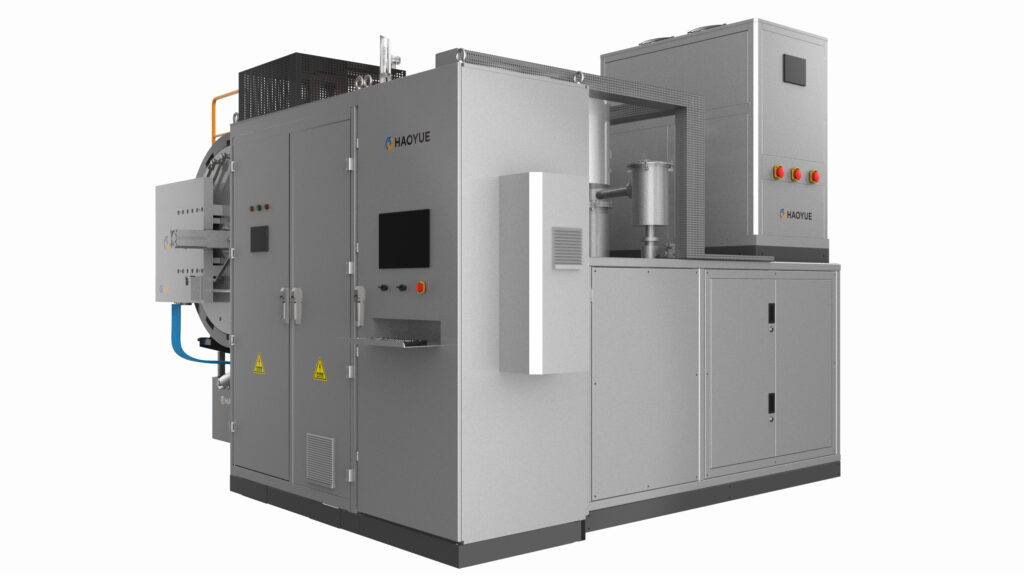






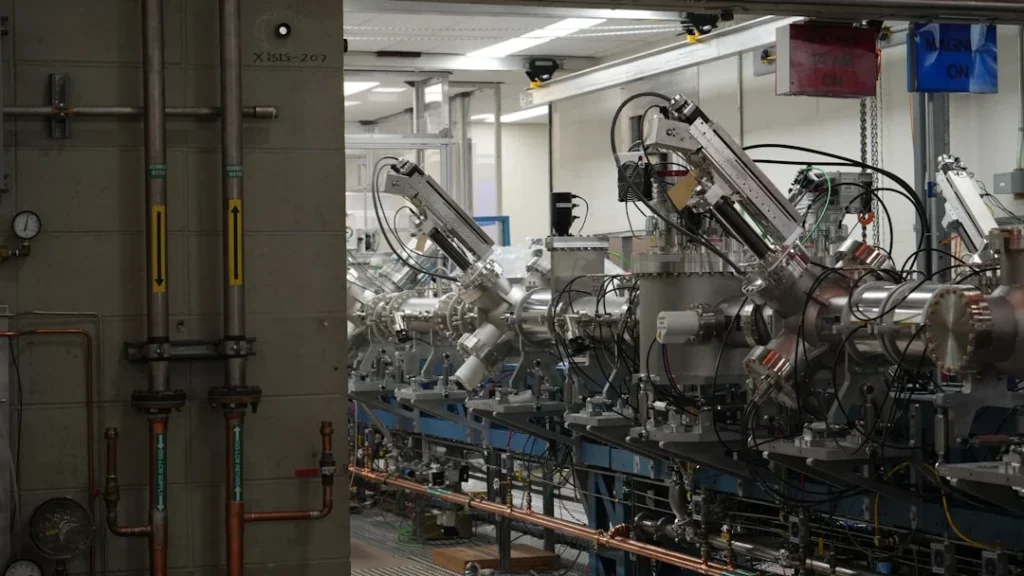
In modern industrial manufacturing, achieving precise material properties requires advanced thermal processing solutions. Selecting the right vacuum furnace manufacturer or specialized vacuum sintering furnace manufacturer is critical for industries that demand absolute purity, structural integrity, and repeatability. From advanced ceramics to refractory metals, high-temperature thermal processing under controlled atmospheres or vacuum conditions has become the gold standard for high-performance engineering.
Advanced Sintering Technologies and Equipment Selection
When it comes to consolidating powder materials, choosing the correct method involves analyzing SPS vs hot pressing. A professional SPS furnace manufacturer provides Spark Plasma Sintering systems that utilize pulsed direct current to achieve rapid densification, while a hot pressing furnace manufacturer offers uniaxial pressure-assisted heating for larger, uniform structural components. For extreme densification requirements, working with a reputable HIP manufacturer (Hot Isostatic Pressing) allows engineers to eliminate internal porosity. When evaluating thermal consolidation routes, understanding HIP vs vacuum sintering and vacuum sintering vs pressure sintering helps determine whether gas-overpressure is necessary to achieve theoretical density.
Different materials require highly tailored sintering kinetics. For instance, high-performance structural ceramics depend on precise silicon carbide sintering, the zirconia sintering process parameters, and the alumina sintering process to prevent grain growth while maximizing mechanical strength. In the tooling sector, a dedicated carbide tool sintering furnace is vital for the tungsten carbide sintering process. Refractory metals, on the other hand, demand specialized atmosphere control, such as a vacuum hydrogen furnace to facilitate molybdenum sintering without oxidation.
Vacuum Heat Treatment and Brazing Technologies
Beyond sintering, thermal modification of metal alloys relies heavily on precise cooling and heating cycles. Partnering with a reliable vacuum heat treatment furnace manufacturer ensures access to equipment capable of executing a reliable vacuum annealing process to relieve stress, or a vacuum hardening process to achieve high wear resistance. For advanced metallurgical applications, such as titanium alloy heat treatment, maintaining a clean, oxygen-free environment is paramount to prevent embrittlement.
Joining complex assemblies also benefits from vacuum environments. A leading vacuum brazing furnace manufacturer designs chambers that optimize the vacuum brazing process. When comparing vacuum brazing vs conventional brazing, the vacuum method eliminates the need for corrosive fluxes and produces exceptionally clean joints with minimal distortion. To achieve these results, engineers must weigh the benefits of a vacuum furnace vs atmosphere furnace, as well as decide between a graphite furnace vs molybdenum furnace depending on the maximum operating temperature and carbon contamination sensitivity of the workload.
Industry-Specific Thermal Processing Applications
Different sectors require highly specialized furnace configurations. In critical high-reliability sectors, utilizing an aerospace vacuum furnace or a dedicated aerospace heat treatment furnace is mandatory to meet strict Nadcap standards. Similarly, the medical sector relies on a specialized medical implant sintering furnace and a dental implant vacuum furnace to ensure the biocompatibility and strength of prosthetics and implants. In the energy sector, a high-throughput battery material sintering furnace is essential for processing cathode and anode powders, while a specialized semiconductor vacuum furnace is utilized for wafer processing, crystal growth, and sensor packaging where contamination must be near zero.
Choosing the Right Partner for Thermal Processing
Whether your process requires a standard gas pressure sintering furnace, a fast-cycle SPS system, or a high-vacuum brazing setup, understanding the nuances of the vacuum sintering process and heat treatment parameters is key to manufacturing success. Partnering with an experienced thermal equipment manufacturer ensures that your system is optimized for your specific material, throughput, and regulatory standards, guaranteeing long-term operational efficiency and superior product quality.