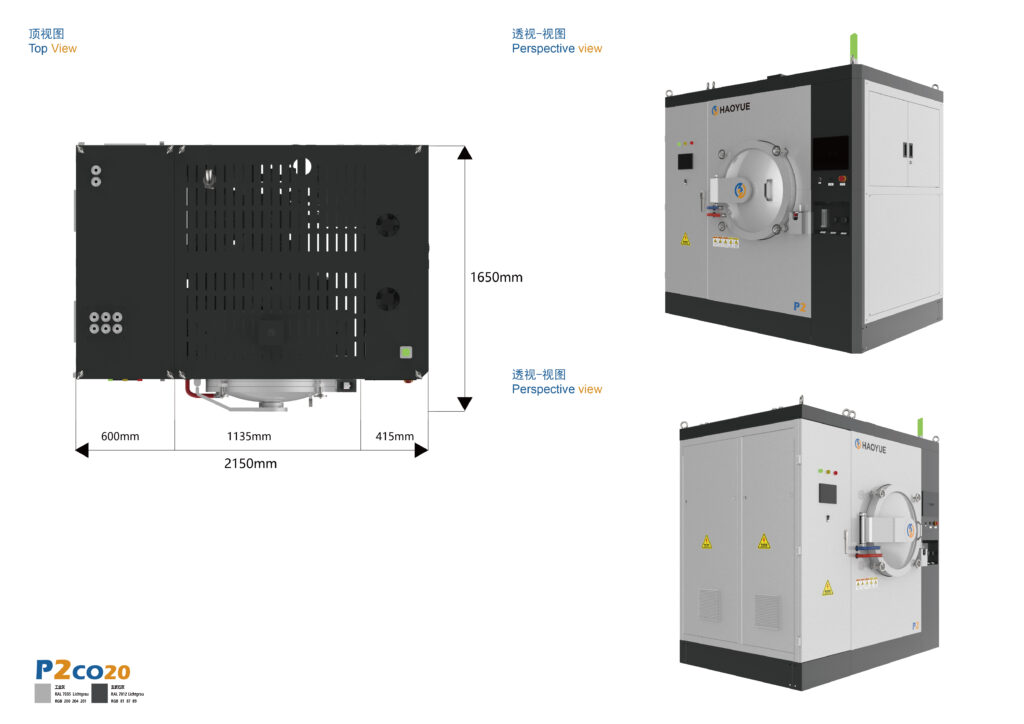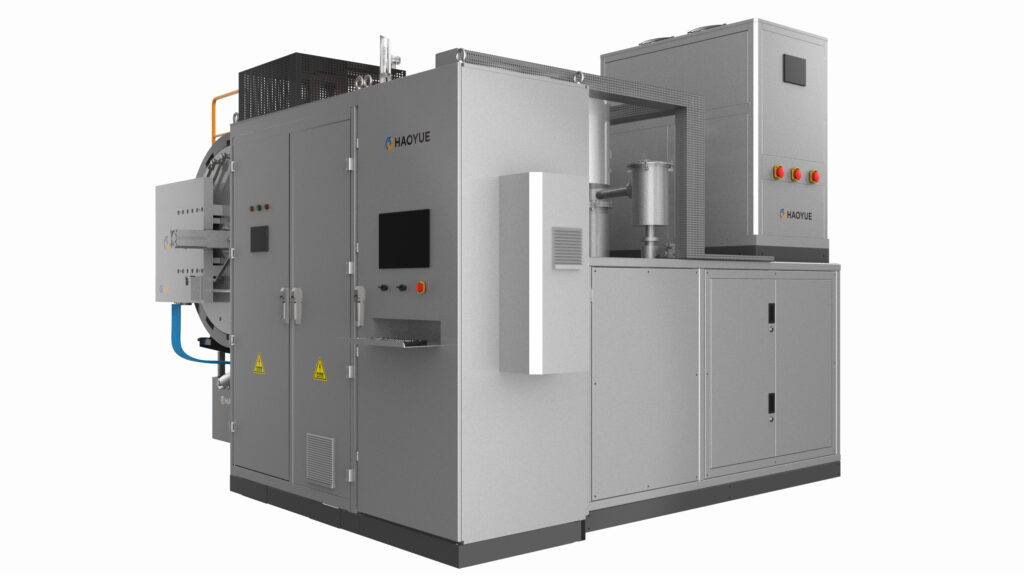






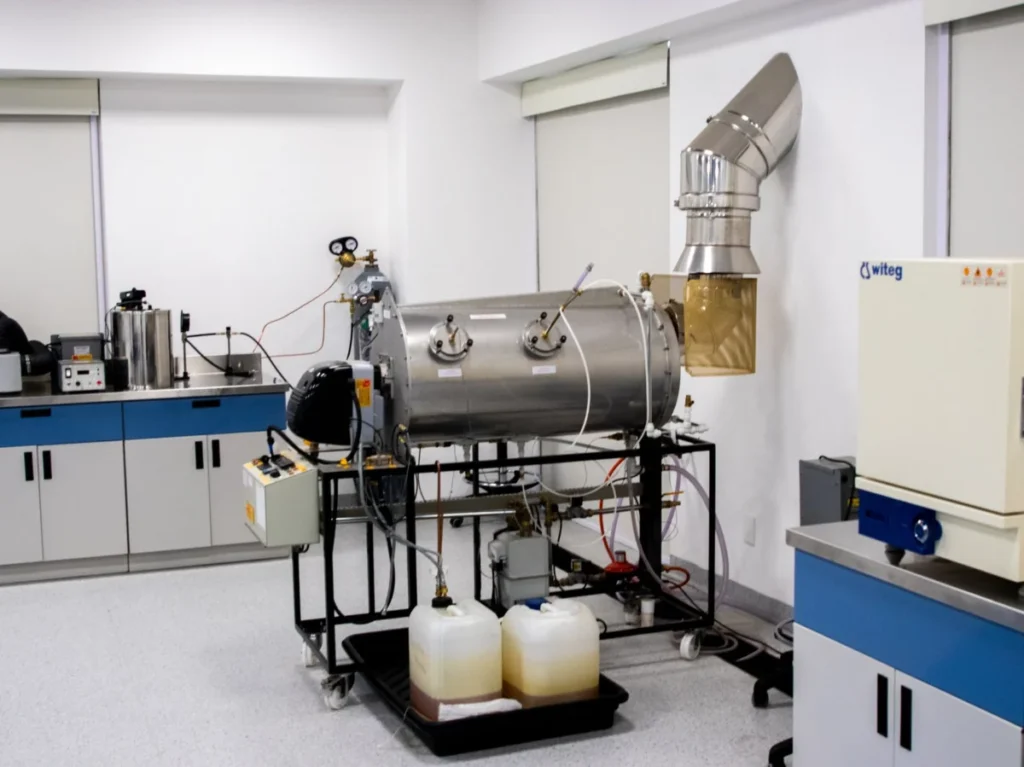
In the rapidly evolving landscape of advanced metallurgy, technical ceramics, and semiconductor manufacturing, achieving precise material properties requires highly controlled thermal environments. Selecting the right thermal processing equipment is a critical decision for engineers and procurement specialists. As a leading vacuum furnace manufacturer, we understand that the choice of equipment directly impacts product yield, structural integrity, and manufacturing efficiency. When evaluating thermal systems, understanding the fundamental differences of a vacuum furnace vs atmosphere furnace is the first step toward optimizing your production line, as vacuum environments eliminate oxidation and contamination risks during high-temperature cycles.
Sintering Technologies: SPS, HP, and HIP Demystified
For advanced materials such as technical ceramics and refractory metals, sintering is the core consolidation mechanism. Different powder metallurgy techniques offer distinct advantages depending on the target density and microstructural requirements. When comparing SPS vs hot pressing (Spark Plasma Sintering vs Hot Pressing), SPS utilizes pulsed direct current to generate internal Joule heating, resulting in extremely fast heating rates and high-density materials with minimal grain growth. As an established SPS furnace manufacturer and hot pressing furnace manufacturer, we provide both technologies to suit specific material profiles, such as advanced silicon carbide sintering and high-purity alumina sintering process applications.
For components requiring absolute density and zero internal porosity, manufacturers often evaluate HIP vs vacuum sintering (Hot Isostatic Pressing vs Vacuum Sintering). While the standard vacuum sintering process is highly effective for mass production of tool steels and standard ceramics, a HIP manufacturer utilizes simultaneous high temperature and isostatic gas pressure to eliminate residual microporosity in critical components. In some scenarios, a gas pressure sintering furnace offers a balanced middle ground, allowing for a controlled transition during vacuum sintering vs pressure sintering phases to prevent the decomposition of nitrogen-based ceramics.
Precision Brazing and Heat Treatment Processes
Beyond sintering, vacuum thermal systems are indispensable for joining and heat-treating high-performance components. When comparing vacuum brazing vs conventional brazing, vacuum-based processing prevents oxide formation without the need for corrosive fluxes, resulting in cleaner, stronger, and more reliable joints. Partnering with an experienced vacuum brazing furnace manufacturer ensures that your vacuum brazing process achieves the precise temperature uniformity required for complex assemblies, such as liquid cooling plates and multi-channel heat exchangers.
For structural modifications, a dedicated vacuum heat treatment furnace manufacturer provides systems optimized for several critical thermal cycles:
- Vacuum annealing process: Relieves internal stresses and restores ductility in work-hardened alloys.
- Vacuum hardening process: Enhances wear resistance and mechanical strength through controlled rapid quenching.
- Titanium alloy heat treatment: Prevents hydrogen embrittlement and alpha-case formation in sensitive aerospace alloys.
Industry-Specific Thermal Solutions
Different industrial sectors demand highly specialized thermal processing equipment tailored to their unique regulatory and material standards. In high-stakes sectors, the deployment of a certified aerospace vacuum furnace or a specialized aerospace heat treatment furnace is mandatory to meet strict Nadcap pyrometry requirements. Similarly, the medical sector relies on a medical implant sintering furnace or a dental implant vacuum furnace to produce highly biocompatible, defect-free orthopedic joints and dental prosthetics utilizing a precise zirconia sintering process.
In the electronics and energy sectors, the demand for high-purity processing has led to the development of the semiconductor vacuum furnace, which is critical for wafer processing and advanced packaging. For energy storage, a specialized battery material sintering furnace is utilized to synthesize high-performance cathode and anode powders under strict atmosphere control. Tooling manufacturers rely heavily on a carbide tool sintering furnace to execute high-quality tungsten carbide sintering, ensuring maximum hardness and wear resistance for cutting tools.
Choosing the Right Hot Zone Configuration
When customizing your thermal system, one of the most critical engineering decisions is the selection of the hot zone materials: graphite furnace vs molybdenum furnace. Graphite hot zones are highly cost-effective, robust, and capable of reaching extremely high temperatures, making them ideal for carbon-tolerant materials. However, for applications sensitive to carbon contamination, such as semiconductor processing, medical implants, or specialized molybdenum sintering, a clean, all-metal molybdenum or tungsten hot zone is required. For processes requiring reducing atmospheres, a vacuum hydrogen furnace is often deployed to actively reduce surface oxides during high-temperature cycles.
Whether you are sintering advanced technical ceramics, brazing complex aerospace assemblies, or heat-treating medical devices, choosing the right thermal processing partner is paramount. Our engineering team designs and manufactures cutting-edge vacuum systems tailored to your exact process requirements, ensuring unmatched thermal uniformity, energy efficiency, and operational reliability.