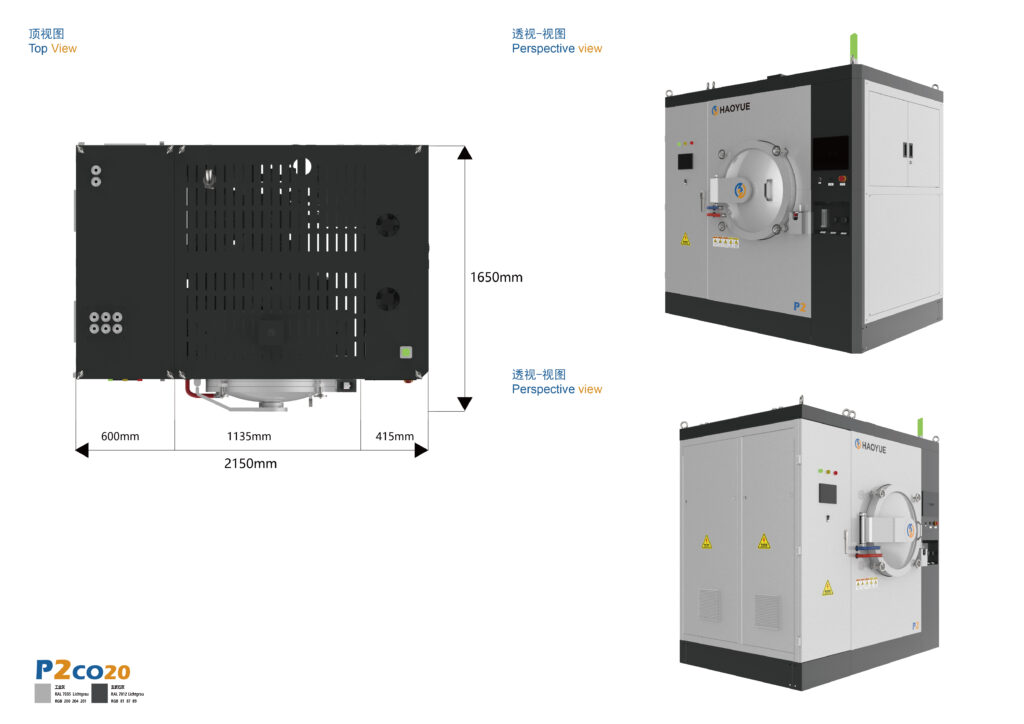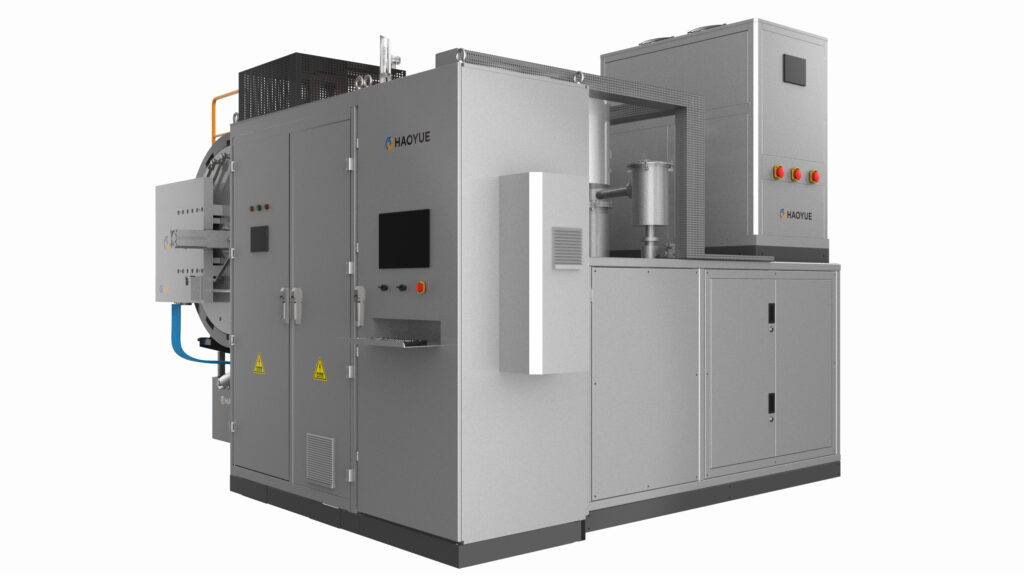







In modern industrial metallurgy and advanced ceramics manufacturing, achieving precise material properties requires absolute control over the thermal environment. Selecting a qualified vacuum furnace manufacturer is critical for engineering teams aiming to eliminate oxidation, control contamination, and achieve theoretical material densities. High-performance thermal systems enable industries to push the limits of material science, transforming raw powders and joined assemblies into high-integrity components capable of operating under extreme stress.
The Thermodynamics of Advanced Sintering Technologies
For materials engineers, choosing the right consolidation method is pivotal to the component’s final microstructure. When analyzing SPS vs hot pressing, engineers must weigh the benefits of Spark Plasma Sintering’s rapid heating rates (often exceeding 500°C/min) against the steady, uniform thermal profiles of traditional hot pressing. Consulting an experienced SPS furnace manufacturer can help determine if the ultra-fast consolidation of SPS is suitable for suppressing grain growth in nanostructured materials, or if working with a hot pressing furnace manufacturer is more appropriate for larger, geometrically uniform ceramic components.
For applications where multi-directional pressure is required to eliminate closed porosity, evaluating the performance of HIP vs vacuum sintering is essential. While the standard vacuum sintering process relies on thermal activation to drive densification, Hot Isostatic Pressing introduces an inert gas pressure of up to 200 MPa. Collaborating with a leading HIP manufacturer allows process engineers to design post-sintering cycles that guarantee pore-free structures in critical castings. For non-oxide technical ceramics, utilizing a gas pressure sintering furnace provides the necessary overpressure of nitrogen or argon to prevent thermal decomposition during high-temperature consolidation.
Material-Specific Sintering Processes
Different material classes require highly tailored thermal cycles to optimize their mechanical, electrical, and thermal properties:
- Silicon Carbide Sintering: This covalent material requires temperatures exceeding 2000°C. Achieving high density during silicon carbide sintering demands precise atmosphere control to prevent active oxidation and grain coarsening.
- Zirconia Sintering Process: Widely used in medical and dental fields, mastering the zirconia sintering process ensures optimal phase transformation toughness and translucent aesthetics.
- Alumina Sintering Process: Optimizing the alumina sintering process is vital for electrical insulators and wear-resistant components, requiring strict temperature uniformity to prevent abnormal grain growth.
- Tungsten Carbide Sintering: Liquid phase sintering of WC-Co composites in a dedicated carbide tool sintering furnace requires precise carbon potential control to avoid the formation of brittle eta-phases during tungsten carbide sintering.
- Molybdenum Sintering: Due to its high melting point, the demanding thermal profiles required for molybdenum sintering must be executed under high vacuum or reducing atmospheres to prevent volatile oxide formation.
High-Integrity Joining and Heat Treatment
Beyond powder consolidation, vacuum thermal processing is indispensable for joining and mechanical property enhancement. Sourcing from a specialized vacuum brazing furnace manufacturer ensures that assemblies are joined without the use of corrosive fluxes. Understanding the advantages of vacuum brazing vs conventional brazing reveals that vacuum processing eliminates oxidation, reduces joint porosity, and allows for the simultaneous brazing of multiple joints in complex geometries. This clean vacuum brazing process is crucial for heat exchangers and medical assemblies.
For mechanical property optimization, relying on a trusted vacuum heat treatment furnace manufacturer guarantees precise cycle execution. The vacuum annealing process is utilized to relieve residual stresses in cold-worked components without surface decarburization, while the vacuum hardening process provides rapid, uniform quenching to achieve the desired martensitic structure. These thermal cycles are especially critical during titanium alloy heat treatment, where the metal’s high affinity for oxygen and hydrogen requires a high-vacuum environment to prevent embrittlement. For specialized reduction or decarburization applications, utilizing a vacuum hydrogen furnace provides a highly controlled reducing atmosphere.
Industry-Specific Thermal Solutions
Thermal processing equipment must be engineered to meet the stringent standards of specific industrial sectors:
Aerospace and Defense
Components operating in jet engines and structural aerospace assemblies demand unmatched reliability. Utilizing a state-of-the-art aerospace vacuum furnace ensures compliance with aerospace-grade pyrometry standards. Meeting NADCAP requirements in an aerospace heat treatment furnace guarantees that critical superalloy components are processed with absolute traceability and zero surface contamination.
Medical and Dental Devices
Biocompatibility and mechanical integrity are non-negotiable for medical implants. The high-purity sintering required for orthopedic devices is achieved in a dedicated medical implant sintering furnace, while aesthetic and structural consistency in dental restorations is maintained using a specialized dental implant vacuum furnace.
Semiconductor and Energy
The electronics sector relies on ultra-pure thermal environments. Integrating a high-purity semiconductor vacuum furnace into the production line prevents trace metallic contamination during wafer processing and advanced packaging. Additionally, scaling the production of battery anodes and cathodes requires high-throughput processing in a specialized battery material sintering furnace.
Engineering Decisions: Furnace Configurations
When designing a thermal processing facility, engineers must make critical equipment selections. Comparing the environmental control of a vacuum furnace vs atmosphere furnace shows that vacuum systems provide superior protection against oxidation and decarburization, making them ideal for reactive metals. Furthermore, the material compatibility choice of a graphite furnace vs molybdenum furnace is a key design decision: graphite hot zones offer excellent thermal uniformity and cost-efficiency at extreme temperatures, whereas molybdenum hot zones are mandatory for cleanroom environments and carbon-sensitive alloys.
Ultimately, understanding the thermodynamics of vacuum sintering vs pressure sintering allows engineers to select the most cost-effective path to achieving target densities. Partnering with a certified vacuum sintering furnace manufacturer ensures that your thermal processing equipment is custom-engineered to meet the precise metallurgical and mechanical requirements of your advanced applications.