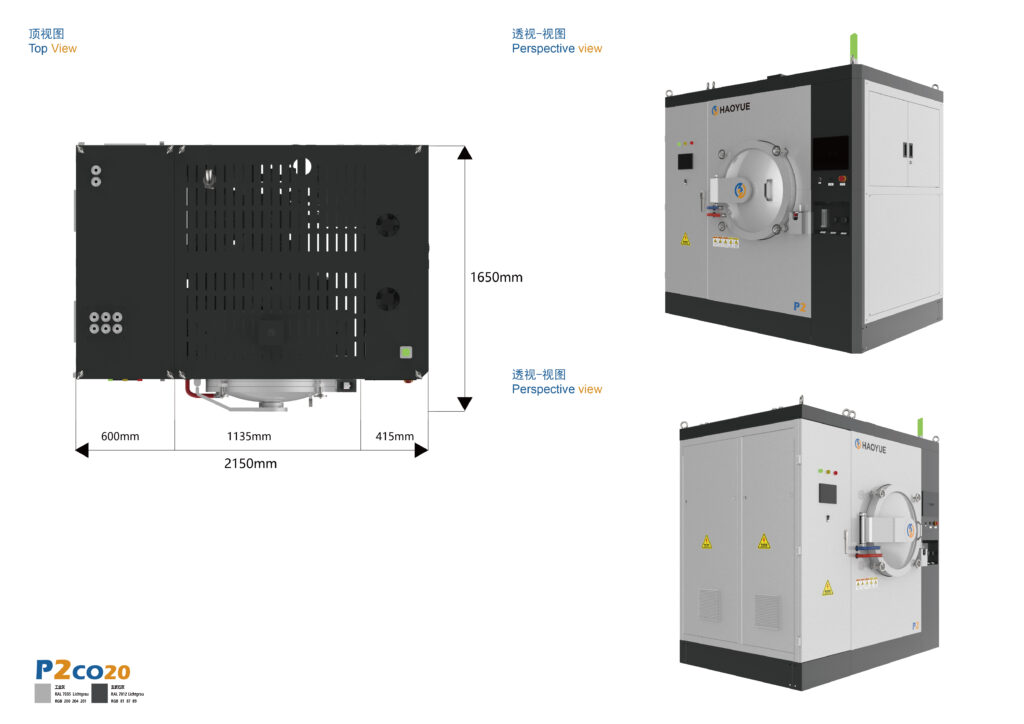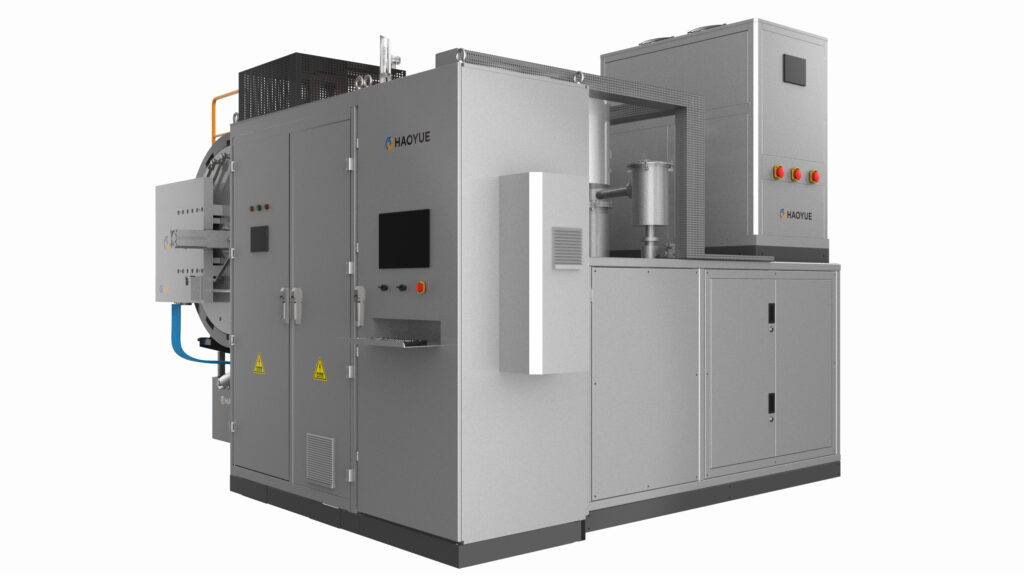






In modern manufacturing, achieving superior material properties requires precise control over thermal environments. For engineers and procurement specialists, selecting the right equipment is a critical decision that directly impacts product quality, operational efficiency, and throughput. Partnering with an experienced vacuum furnace manufacturer or a specialized vacuum sintering furnace manufacturer is the first step toward optimizing these complex thermal cycles. When evaluating equipment options, the fundamental comparison of a vacuum furnace vs atmosphere furnace highlights the clear advantages of vacuum environments: the complete elimination of atmospheric contaminants, precise temperature uniformity, and the prevention of oxidation during critical heating phases.
Advanced Sintering Technologies: Process Dynamics and Equipment Selection
Sintering is a foundational process for consolidating powder materials into high-density components. Depending on the material and required density, different sintering methodologies are utilized. Understanding the nuances of vacuum sintering vs pressure sintering is essential for selecting the correct equipment. While standard vacuum sintering relies on thermal energy to drive diffusion, pressure-assisted techniques introduce mechanical force to achieve near-theoretical density.
Two prominent pressure-assisted technologies are Spark Plasma Sintering (SPS) and Hot Isostatic Pressing (HIP). When comparing SPS vs hot pressing, SPS utilizes pulsed direct current to generate internal localized heating, resulting in extremely fast consolidation cycles. To implement this technology, manufacturers must consult with a dedicated SPS furnace manufacturer. Conversely, conventional hot pressing relies on external heating elements and uniaxial pressure, making a hot pressing furnace manufacturer the ideal partner for producing large, simple-geometry plates or dies. For components requiring isotropic properties and zero porosity, the debate often shifts to HIP vs vacuum sintering. While vacuum sintering is highly cost-effective for complex shapes, Hot Isostatic Pressing (HIP) uses high-pressure inert gas to compress internal voids, prompting many high-end manufacturers to work directly with a specialized HIP manufacturer.
The choice of technology is heavily influenced by the material being processed. For instance:
- Silicon carbide sintering requires extremely high temperatures and precise atmosphere control to handle the covalent bonds of the ceramic.
- The zirconia sintering process and alumina sintering process are critical in producing high-strength structural ceramics and medical components.
- For heavy-duty tooling, tungsten carbide sintering ensures the extreme hardness and wear resistance required for industrial cutting tools.
- Refractory metals benefit greatly from specialized molybdenum sintering cycles to prevent embrittlement.
Precision Heat Treatment and Joining Processes
Beyond sintering, vacuum furnaces are indispensable for advanced heat treatment and metal joining. Working with a qualified vacuum heat treatment furnace manufacturer allows facilities to implement precise thermal profiles. Key processes include the vacuum annealing process, which relieves internal stresses in cold-worked metals, and the vacuum hardening process, which increases the wear resistance of tool steels without surface decarburization. These processes are vital for demanding applications, such as titanium alloy heat treatment, where any exposure to oxygen or hydrogen at elevated temperatures would lead to severe embrittlement.
For joining critical assemblies, vacuum brazing offers unmatched joint strength and cleanliness. When comparing vacuum brazing vs conventional brazing, the vacuum method eliminates the need for corrosive fluxes, resulting in clean, flux-free joints that require no post-braze cleaning. Consulting a dedicated vacuum brazing furnace manufacturer ensures the procurement of systems designed with the tight temperature tolerances required for the delicate vacuum brazing process.
For specialized metallurgical applications, alternative furnace atmospheres are sometimes required. A vacuum hydrogen furnace is used for reducing oxides and processing materials sensitive to carbon contamination, while a gas pressure sintering furnace combines vacuum heating with overpressure gas cooling or consolidation to achieve superior mechanical properties in advanced ceramics.
Industry-Specific Applications and Chamber Configuration
Thermal processing requirements vary drastically across high-tech industries, prompting manufacturers to design highly customized systems:
- Aerospace: Critical turbine blades and structural components are processed using an aerospace vacuum furnace or a specialized aerospace heat treatment furnace to meet stringent Nadcap standards.
- Medical & Dental: Biocompatible materials are processed in a highly sterile medical implant sintering furnace or a compact dental implant vacuum furnace to ensure absolute purity.
- Semiconductors: The production of wafers and high-purity electronic components relies on a specialized semiconductor vacuum furnace to prevent sub-micron contamination.
- Energy Storage: The synthesis of advanced anode and cathode powders is optimized within a high-throughput battery material sintering furnace.
- Industrial Tooling: The production of high-performance cutting inserts is typically handled by a dedicated carbide tool sintering furnace.
When configuring these furnaces, engineers must choose the appropriate hot zone materials. The comparison of a graphite furnace vs molybdenum furnace is a key design decision. Graphite hot zones offer excellent thermal efficiency and lower capital costs, making them ideal for high-temperature carbide processing. However, for applications where carbon contamination cannot be tolerated—such as in semiconductor processing, medical implants, or specific aerospace alloys—a molybdenum hot zone (all-metal hot zone) is mandatory to maintain an ultra-clean, carbon-free environment.
Conclusion
Selecting the ideal thermal processing system requires a deep understanding of material characteristics, production volumes, and industry standards. By carefully evaluating the technical differences between sintering and heat treatment methodologies, and by partnering with the right specialized equipment manufacturers, industrial buyers can secure robust, efficient, and future-proof thermal processing solutions.