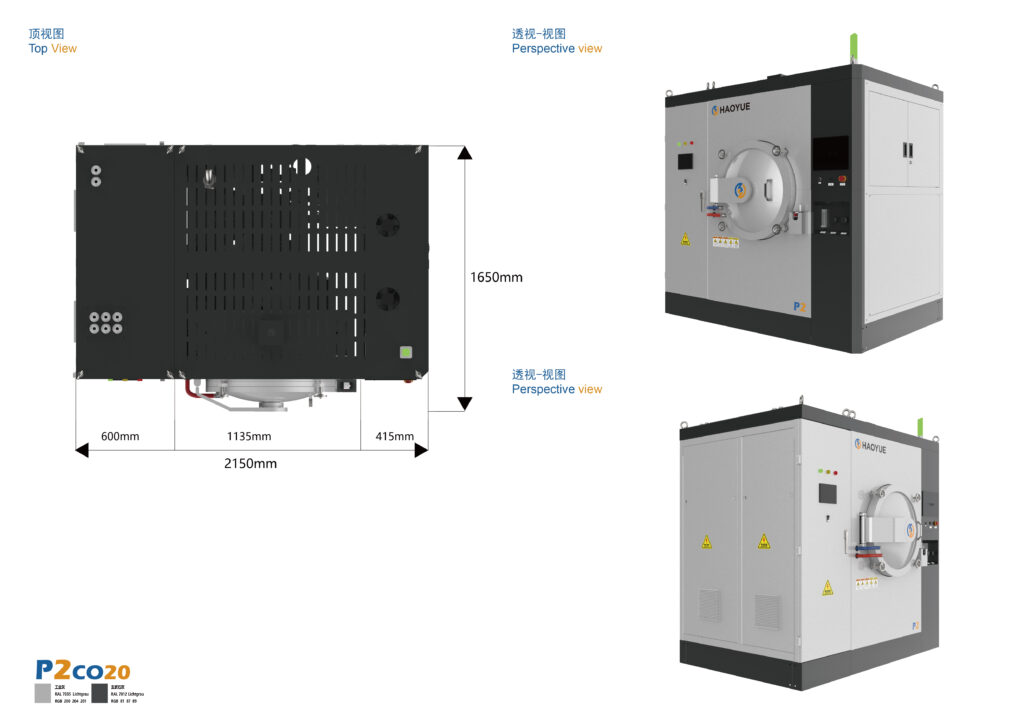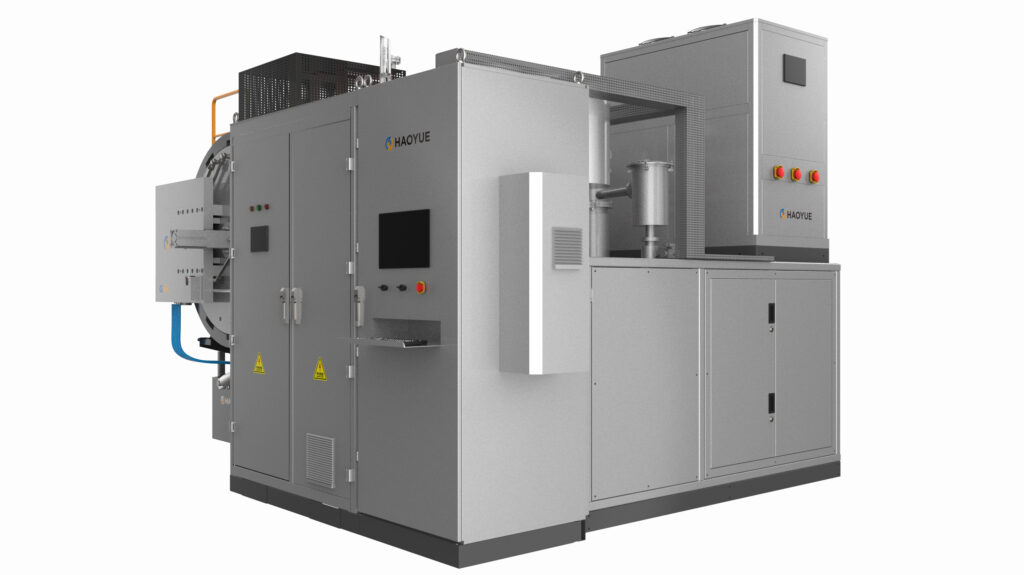



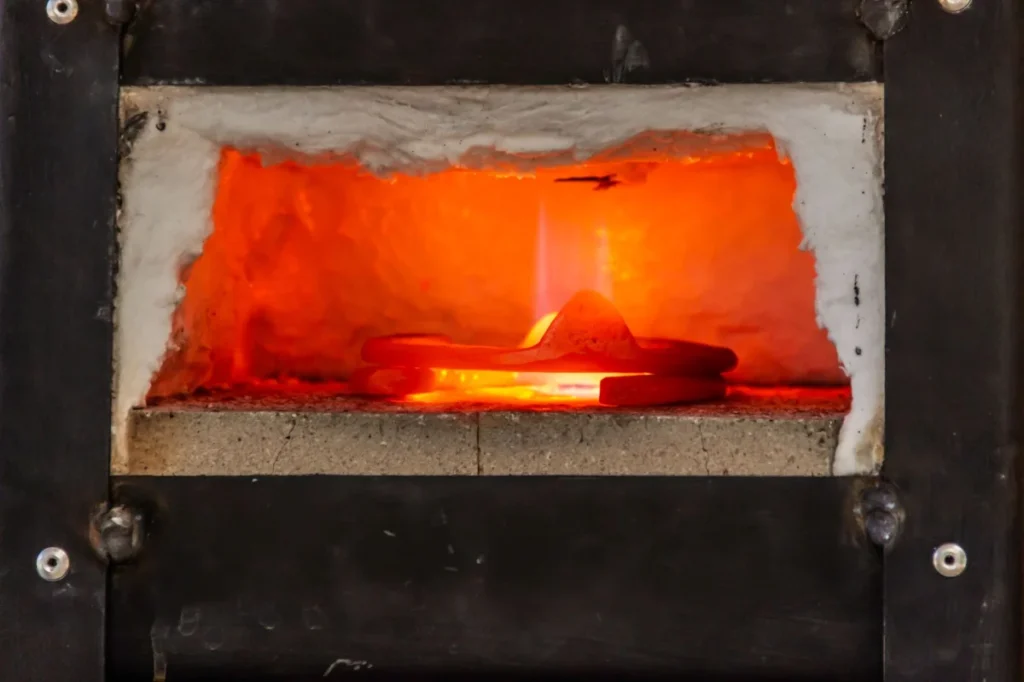
In the rapidly evolving landscape of advanced metallurgy and material science, selecting the right thermal processing equipment is paramount to achieving superior mechanical properties and structural integrity. Industrial buyers and engineers often find themselves evaluating the fundamental differences of a vacuum furnace vs atmosphere furnace to determine which environment best prevents oxidation and contamination. As a premier vacuum furnace manufacturer, we understand that high-performance materials demand precise thermal control. Whether you are executing a complex vacuum sintering process or a critical vacuum annealing process, the choice of equipment directly dictates the microstructural quality of the final product.
Comparing Advanced Sintering Technologies
When manufacturing high-density ceramics and powder metals, selecting the appropriate consolidation method is a key engineering decision. A common debate among production specialists centers on SPS vs hot pressing. Spark Plasma Sintering (SPS), sourced from a specialized SPS furnace manufacturer, utilizes pulsed direct current to achieve rapid densification at lower temperatures, whereas a traditional hot pressing furnace manufacturer provides systems that rely on simultaneous thermal energy and uniaxial mechanical pressure over longer cycles.
For components requiring near-theoretical density, engineers must also weigh HIP vs vacuum sintering. Hot Isostatic Pressing (HIP), provided by an industry-leading HIP manufacturer, applies high-pressure inert gas multi-directionally, whereas standard vacuum sintering relies primarily on solid-state diffusion. Similarly, analyzing vacuum sintering vs pressure sintering is vital when processing advanced ceramics, where a gas pressure sintering furnace is often required to suppress thermal decomposition.
Material-Specific Sintering and Heat Treatment
Different materials exhibit unique thermodynamic behaviors during thermal cycles. For instance, silicon carbide sintering demands ultra-high temperatures and precise atmosphere control to achieve its renowned hardness. In the medical and dental sectors, utilizing a precise zirconia sintering process or alumina sintering process within a specialized dental implant vacuum furnace or medical implant sintering furnace ensures biocompatibility and flawless aesthetic properties.
In heavy industrial tooling, tungsten carbide sintering performed in a dedicated carbide tool sintering furnace guarantees the wear resistance needed for demanding cutting applications. Meanwhile, refractory metals require specialized molybdenum sintering protocols to prevent embrittlement. For advanced energy storage, a highly controlled battery material sintering furnace is essential to synthesize active cathode and anode chemistries.
Advanced Joining and Heat Treatment Processes
Beyond consolidation, joining dissimilar metals and hardening components are critical steps in the supply chain. The vacuum brazing process has revolutionized high-strength assembly, offering clean, flux-free joints. When comparing vacuum brazing vs conventional brazing, vacuum systems eliminate the risk of corrosive flux residue and oxidation, making them the preferred choice for high-vacuum components. Partnering with an experienced vacuum brazing furnace manufacturer ensures that your system can handle complex geometries with minimal distortion.
To optimize structural properties, components undergo a precise vacuum hardening process or titanium alloy heat treatment to achieve targeted tensile strengths and fatigue resistance. These operations are typically executed in systems designed by a certified vacuum heat treatment furnace manufacturer to meet stringent aerospace and defense standards.
Specialized Furnace Configurations for High-Tech Industries
Modern high-tech sectors require tailored thermal solutions. In aerospace manufacturing, the use of an aerospace vacuum furnace or an aerospace heat treatment furnace is non-negotiable for processing turbine blades and structural components under Nadcap-compliant conditions. In the electronics sector, a high-purity semiconductor vacuum furnace is critical for wafer processing and thin-film deposition, while a vacuum hydrogen furnace is utilized for reducing oxide layers on sensitive electronic components.
When configuring these systems, engineers must evaluate the hot zone construction, specifically comparing a graphite furnace vs molybdenum furnace. Graphite hot zones offer excellent thermal uniformity and cost-efficiency for high-temperature carbon-tolerant processes, whereas molybdenum hot zones are mandatory for cleanroom-standard, carbon-free applications.
Partnering with the Right Manufacturer
Navigating these complex thermal processing variables requires deep technical expertise. As a leading vacuum sintering furnace manufacturer, we engineer state-of-the-art thermal systems tailored to your specific material requirements, ensuring maximum efficiency, reproducibility, and compliance with global industrial standards.