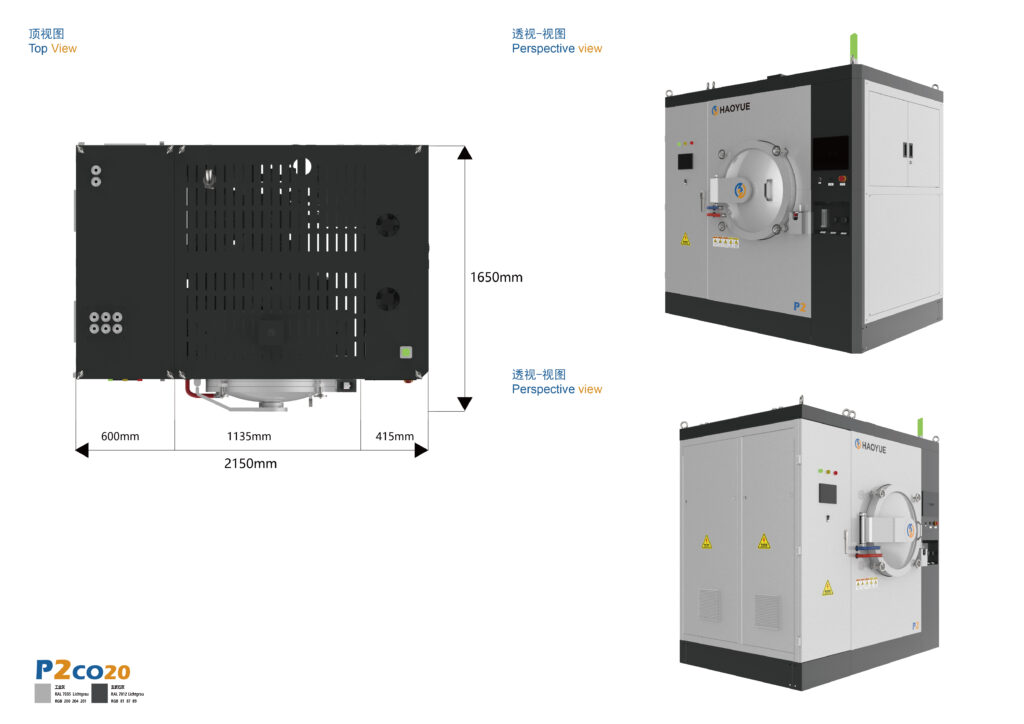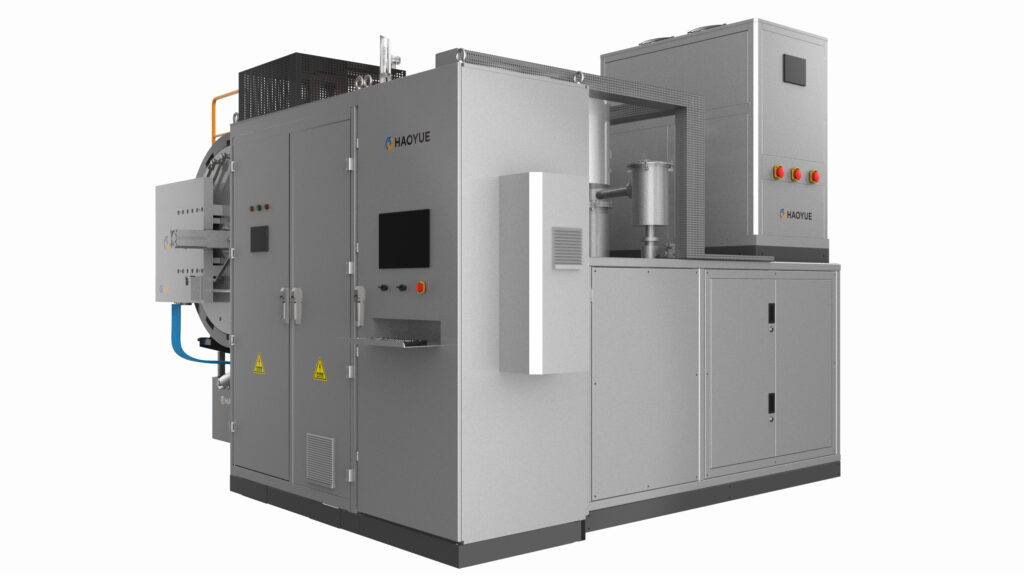






In the rapidly evolving landscape of advanced metallurgy and materials science, selecting the optimal thermal processing equipment is paramount for achieving superior mechanical properties. As a leading vacuum furnace manufacturer, we understand that modern engineering demands precise control over temperature, atmosphere, and pressure. Whether you are dealing with advanced ceramics or refractory metals, partnering with an experienced vacuum sintering furnace manufacturer ensures your production line benefits from state-of-the-art thermal engineering. Implementing a precise vacuum sintering process is no longer just an option; it is a critical requirement for high-performance industrial components.
Comparing Advanced Sintering Technologies
When evaluating consolidation methods for advanced materials, engineers often face critical technology trade-offs. A classic debate in powder metallurgy is SPS vs hot pressing. While Spark Plasma Sintering offers rapid heating rates and shorter cycle times, traditional hot pressing remains highly effective for larger, uniform components. Consequently, choosing between an experienced SPS furnace manufacturer and a specialized hot pressing furnace manufacturer depends heavily on your throughput requirements and geometry constraints. For ultra-high-density applications, comparing HIP vs vacuum sintering (Hot Isostatic Pressing) reveals that while HIP eliminates internal micro-porosity, standard vacuum sintering remains more cost-effective for complex net-shape parts. Consulting a certified HIP manufacturer can help determine if the mechanical property gains justify the additional capital expenditure.
Furthermore, understanding vacuum sintering vs pressure sintering is vital when processing advanced ceramics. For instance, high-performance silicon carbide sintering often requires a specialized gas pressure sintering furnace to suppress thermal decomposition at elevated temperatures. Conversely, the zirconia sintering process and alumina sintering process typically rely on high-vacuum or controlled atmosphere environments to achieve theoretical density without grain growth. For heavy-duty industrial tooling, optimizing the tungsten carbide sintering and molybdenum sintering cycles within a dedicated carbide tool sintering furnace is crucial to ensuring maximum wear resistance and hardness.
Precision Heat Treatment and Brazing Solutions
Beyond sintering, modern manufacturing demands advanced surface modification and joining techniques. Selecting a qualified vacuum heat treatment furnace manufacturer is the first step toward mastering complex thermal cycles. For joining critical components, executing a precise vacuum brazing process offers clean, flux-free joints with minimal distortion. When comparing vacuum brazing vs conventional brazing, vacuum systems consistently deliver superior joint strength and oxidation-free surfaces, making the investment in a dedicated vacuum brazing furnace manufacturer highly advantageous for high-vacuum and aerospace applications.
For critical structural components, implementing a controlled vacuum annealing process or vacuum hardening process is essential to relieve internal stresses and achieve the desired crystalline phases. This is particularly true for titanium alloy heat treatment, where even trace atmospheric contaminants can cause embrittlement. To prevent this, choosing the right chamber construction is vital. When evaluating a vacuum furnace vs atmosphere furnace, vacuum chambers completely eliminate harmful gases, while comparing a graphite furnace vs molybdenum furnace helps engineers balance maximum operating temperatures against the strict carbon-contamination limits required for sensitive alloys.
Industry-Specific Thermal Applications
Different sectors require tailored thermal processing environments. In the aerospace sector, safety-critical parts must be processed using a certified aerospace vacuum furnace or an ultra-precise aerospace heat treatment furnace to meet stringent Nadcap standards. In the medical field, biocompatibility is key; hence, utilizing a specialized medical implant sintering furnace or a compact dental implant vacuum furnace ensures that titanium and cobalt-chrome implants are sintered to maximum density without contamination.
The energy and electronics sectors also rely on highly specialized equipment. For instance, a high-purity semiconductor vacuum furnace is indispensable for wafer processing and crystal growth, while a high-throughput battery material sintering furnace is crucial for synthesizing next-generation cathode and anode powders. For applications requiring highly reducing atmospheres, a specialized vacuum hydrogen furnace provides the perfect environment for processing refractory metals and sensitive magnetic materials without oxidation risk.
Conclusion
In conclusion, navigating the complexities of modern thermal processing requires a deep understanding of both equipment capabilities and material science. Whether you need a high-temperature vacuum furnace manufacturer to customize an aerospace vacuum furnace, or a specialized semiconductor vacuum furnace for cleanroom environments, selecting the right partner is critical. By carefully analyzing your process requirements—from vacuum sintering process parameters to advanced comparison metrics like SPS vs hot pressing—you can optimize your production efficiency, reduce cycle times, and achieve unparalleled material performance.