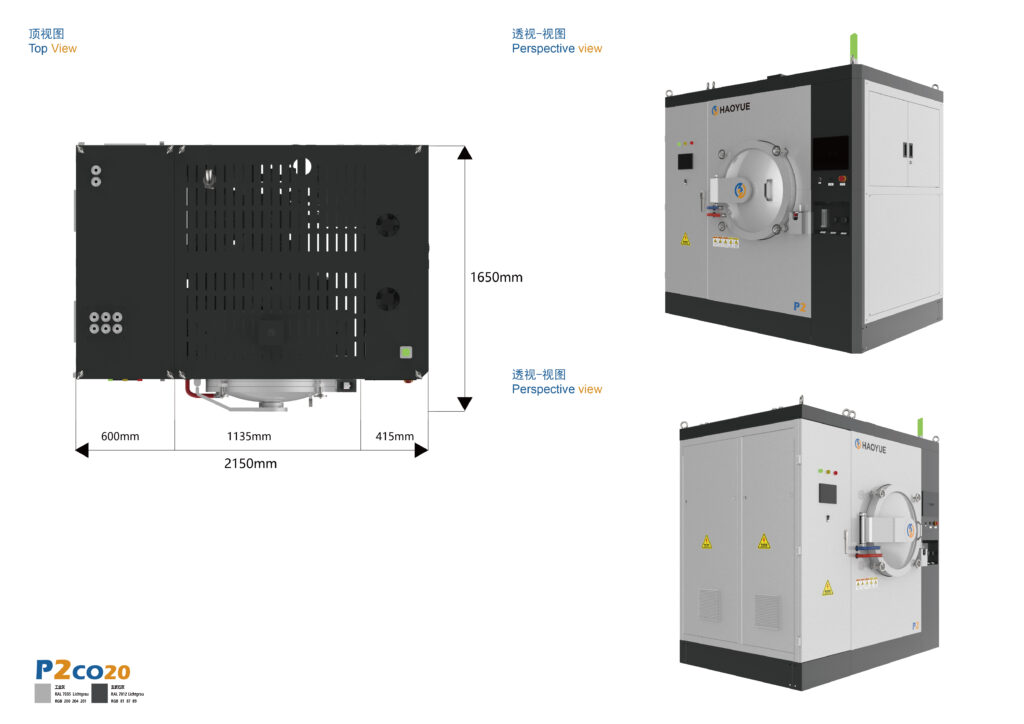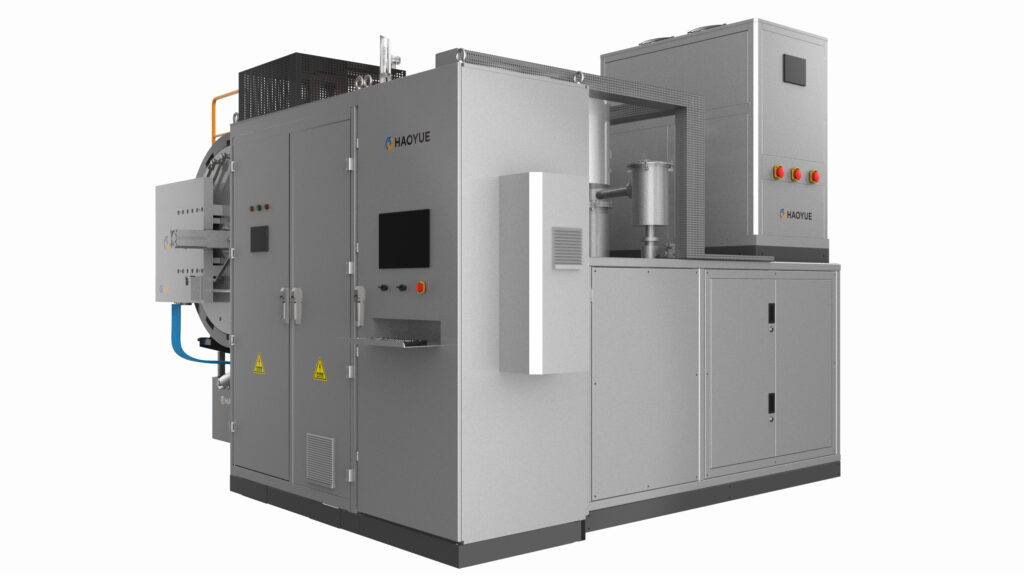






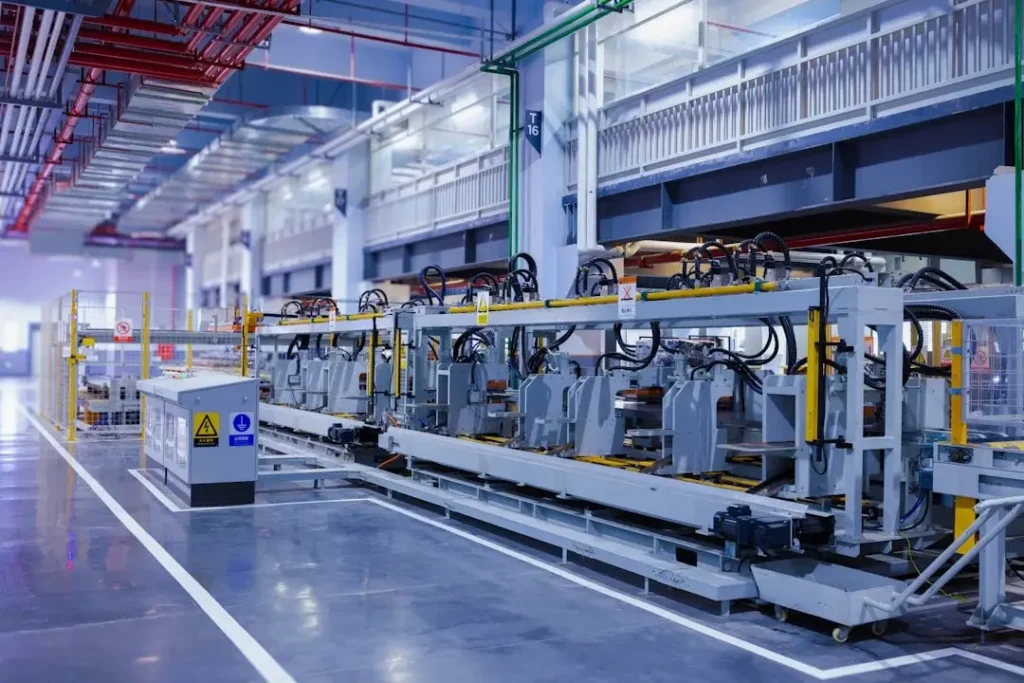
In high-precision manufacturing, selecting the right thermal processing technology is critical to achieving superior material properties. When evaluating thermal systems, the fundamental debate of vacuum furnace vs atmosphere furnace often arises. While atmosphere furnaces introduce specific gases to protect parts, a vacuum environment completely eliminates impurities, preventing oxidation and decarburization. As a leading vacuum furnace manufacturer, we recognize that modern aerospace, medical, and semiconductor applications demand the extreme purity and precise thermal control that only vacuum systems can provide.
Advanced Sintering Technologies for High-Performance Materials
Sintering is a cornerstone process for consolidating powder materials into dense, high-strength components. Utilizing a controlled vacuum sintering process allows manufacturers to produce parts with near-theoretical density. This is particularly crucial for advanced ceramics and refractory metals. For instance, high-temperature operations like silicon carbide sintering, the zirconia sintering process, and the alumina sintering process require highly uniform hot zones to prevent thermal cracking and ensure structural uniformity.
For heavy-duty industrial applications, tungsten carbide sintering and molybdenum sintering demand specialized thermal profiles. Often, a gas pressure sintering furnace is employed to apply overpressure during the heating cycle, which assists in closing residual porosity. When selecting the optimal consolidation method, engineers frequently compare SPS vs hot pressing. Spark Plasma Sintering (SPS) utilizes pulsed direct current to rapidly heat the sample, whereas conventional hot pressing relies on resistance or induction heating. Consulting an experienced SPS furnace manufacturer or a hot pressing furnace manufacturer can help determine the ideal technique for your material. Furthermore, when comparing HIP vs vacuum sintering (Hot Isostatic Pressing), HIP provides simultaneous high pressure and temperature to eliminate internal voids, making collaboration with a certified HIP manufacturer essential for critical structural parts. Ultimately, understanding the nuances of vacuum sintering vs pressure sintering is key to optimizing production costs and material performance.
Precision Vacuum Brazing and Heat Treatment
Beyond sintering, vacuum chambers are indispensable for joining and hardening processes. The vacuum brazing process has revolutionized the assembly of multi-component systems. When comparing vacuum brazing vs conventional brazing, vacuum brazing eliminates the need for flux, preventing corrosive residues and ensuring clean, high-strength joints. Partnering with a dedicated vacuum brazing furnace manufacturer allows companies to design custom fixtures and heating profiles for complex assemblies.
For structural modifications, a reliable vacuum heat treatment furnace manufacturer provides the technology required for precise metallurgical phases. These systems are designed to run critical cycles such as the vacuum annealing process to relieve internal stresses, and the vacuum hardening process to maximize wear resistance. These processes are vital for high-performance metallurgy, particularly in titanium alloy heat treatment where oxygen contamination must be strictly avoided. Additionally, for specialized decarburization or reduction reactions, a vacuum hydrogen furnace offers a controlled reducing environment to achieve ultra-pure surface finishes.
Industry-Specific Thermal Solutions
Different industrial sectors require highly specialized thermal hardware tailored to their standards. In the aviation sector, the integration of an aerospace vacuum furnace and an aerospace heat treatment furnace is mandatory to meet stringent Nadcap and AMS2750 standards. In contrast, the medical sector relies on a medical implant sintering furnace or a dental implant vacuum furnace to produce biocompatible, high-density orthopedics and prosthetics.
The electronics industry utilizes a specialized semiconductor vacuum furnace to process wafers and advanced packaging under ultra-clean conditions. Meanwhile, the green energy transition has driven demand for the battery material sintering furnace to synthesize advanced anode and cathode powders. For industrial tooling, a specialized carbide tool sintering furnace is used to manufacture ultra-hard cutting inserts. When configuring these systems, engineers must evaluate the heating chamber construction, specifically comparing a graphite furnace vs molybdenum furnace. Graphite hot zones offer excellent thermal uniformity and cost-efficiency at extreme temperatures, while molybdenum hot zones are preferred for ultra-clean, carbon-free processing environments.
Conclusion
Achieving excellence in thermal processing requires a deep understanding of material science and furnace engineering. Whether you are implementing advanced sintering, brazing, or hardening, partnering with an experienced vacuum sintering furnace manufacturer ensures your equipment is engineered for maximum efficiency, reliability, and precision.