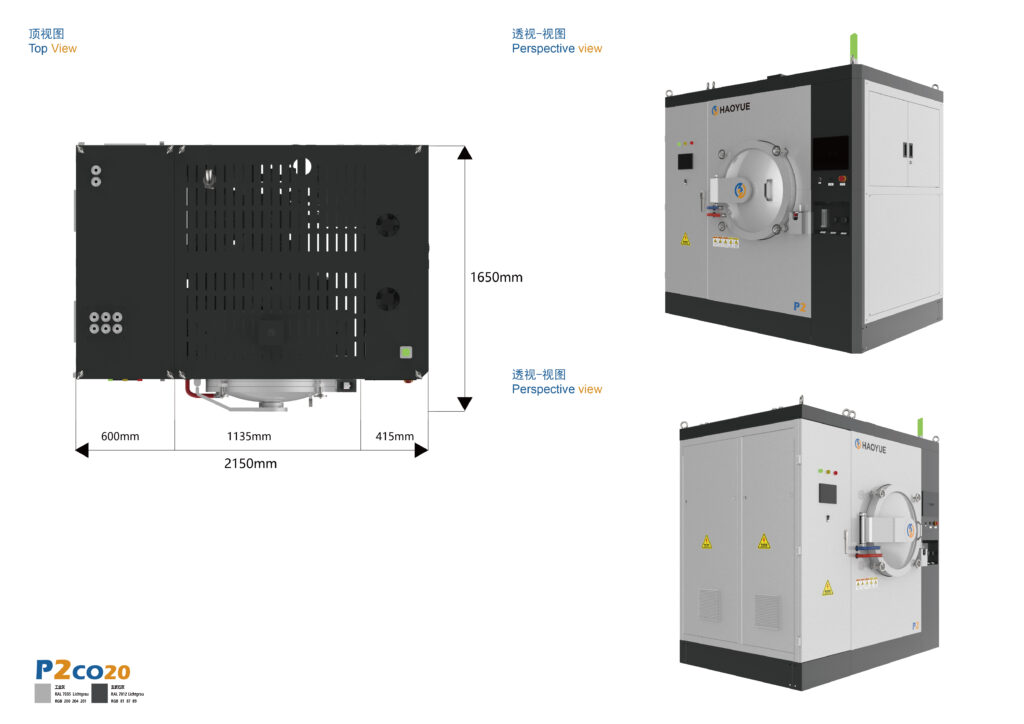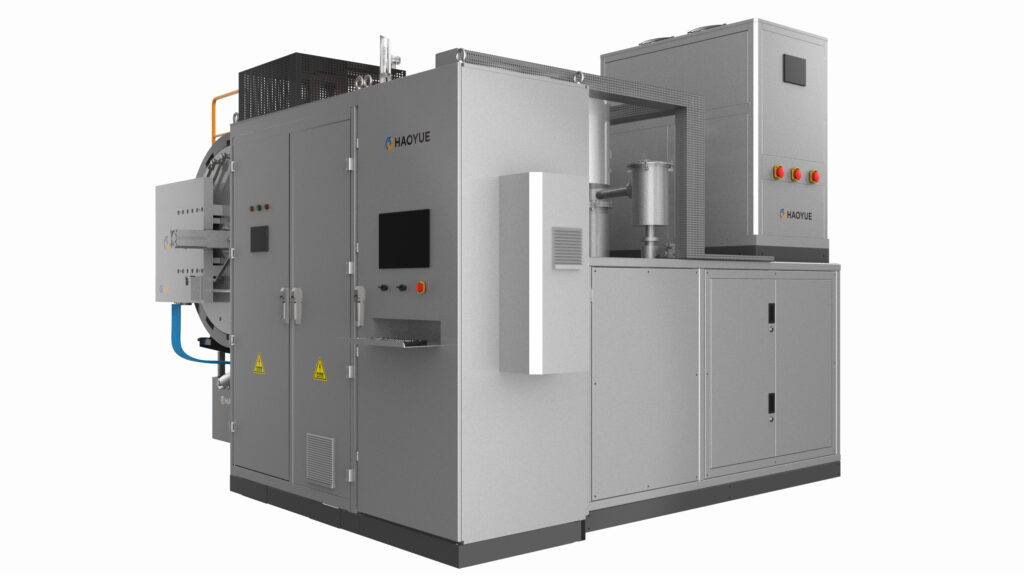






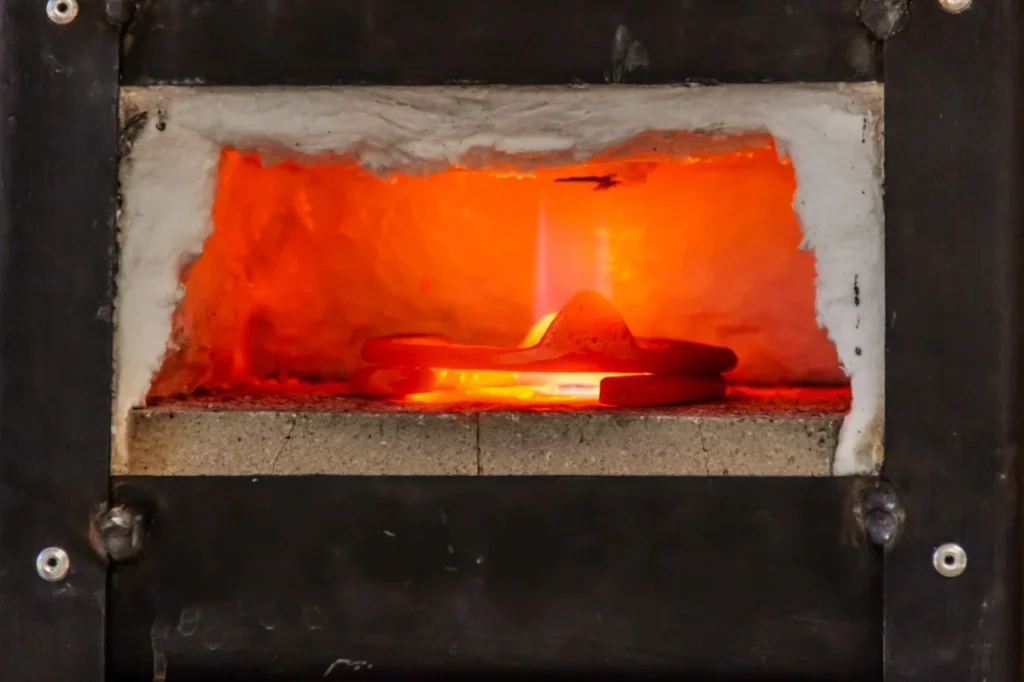
Günümüzün yüksek teknoloji üretim sektörlerinde, üstün malzeme özelliklerine ulaşmak, termal ortamlar üzerinde hassas kontrol gerektirir. Gelişmiş yapısal seramikler, refrakter metaller veya havacılık sınıfı alaşımlar üretilirken, doğru olanı seçmek Ekipman ve termal döngü kritik öneme sahiptir. Deneyimli bir vakum fırını üreticisi veya özel bir vakum sinterleme fırını üreticisiyle ortaklık kurmak, endüstriyel alıcıların yapısal bütünlüğü garanti eden, safsızlıkları ortadan kaldıran ve tane büyümesini optimize eden termal döngüleri özelleştirmelerine olanak tanır.
Sinterleme Teknolojileri: SPS, Sıcak Presleme ve Basınçlı Sinterleme
Gelişmiş toz halindeki malzemeleri birleştirirken, mühendisler genellikle şu iki seçenekle karşı karşıya kalırlar: SPS ile sıcak presleme karşılaştırması. Kıvılcım Plazma Sinterleme (SPS), iç ısıtma oluşturmak için darbeli doğru akım kullanır ve bu da çevrim sürelerini önemli ölçüde azaltır. Deneyimli bir SPS fırın üreticisiyle çalışmak, tesislerin sinterlenmesi zor malzemelerde teorik yoğunluğa yakın değerlere ulaşmasını sağlar. Öte yandan, sıcak presleme fırını üreticisi, tek eksenli basınç ve dış ısıyı eş zamanlı olarak uygulayan sistemler tasarlar; bu da büyük formatlı bileşenler için oldukça etkilidir.
İzotropik yoğunluk gerektiren uygulamalar için karşılaştırma HIP ile vakumlu sinterleme karşılaştırması Bu çok önemlidir. Sıcak İzostatik Presleme (HIP), iç boşlukları ortadan kaldırmak için yüksek basınçlı gaz kullanırken, standart vakumlu sinterleme işlemi yalnızca termal enerjiye dayanır. Uzmanlaşmış bir HIP üreticisi, 100% yoğunluğuna ulaşmak için sinterlenmiş parçaları son işlemden geçiren sistemler sağlayabilir. Ayrıca, analiz etmek de önemlidir. vakumlu sinterleme ile basınçlı sinterleme karşılaştırması Bu, özellikle silisyum karbür sinterleme, zirkonya sinterleme veya alümina sinterleme süreçlerinde, termal ayrışmayı bastırmak için son aşamada inert gazın aşırı basıncına ihtiyaç olup olmadığını belirlemeye yardımcı olur.
Endüstriyel Uygulamalar ve Özel Sinterleme Fırınları
Farklı sektörler, katı kalite standartlarını karşılamak için son derece özelleştirilmiş ısıl işlem ekipmanlarına ihtiyaç duyar:
- Takım ve Aşınma Parçaları: Karbür takım sinterleme fırını, tungsten karbür sinterlemesi için özel olarak tasarlanmıştır ve hassas karbon kontrolü ve kobalt dağılımı sağlar.
- Tıp ve Diş Hekimliği: Biyouyumlu malzemeler için, tıbbi implant sinterleme fırını veya diş implantı vakum fırını kullanılması, titanyum ve zirkonyumun kirlilikten arındırılmış bir şekilde konsolidasyonunu sağlar.
- Enerji Depolama: Özel bir pil malzemesi sinterleme fırını, aktif anot ve katot tozlarının sentezlenmesi için gereken hassas atmosfer ve sıcaklık profillerini sağlar.
- Havacılık ve Uzay: Yüksek performanslı türbin kanatları ve yapısal bileşenler, yüksek sıcaklıklarda oksidasyonu önlemek için havacılık ve uzay endüstrisinde kullanılan vakumlu bir fırında işlenir.
Gelişmiş Lehimleme ve Isıl İşlem Çözümleri
Birleştirme ve sertleştirme işlemleri de büyük ölçüde kontrollü vakum ortamlarına bağlıdır. Karşılaştırma yapıldığında Vakum lehimleme ile geleneksel lehimleme karşılaştırması, Vakum lehimleme işlemi, minimum deformasyonla temiz, akı içermeyen bağlantılar üretme yeteneğiyle öne çıkar ve bu da onu vakum lehimleme fırını üreticileri için tercih edilen seçenek haline getirir. Sertleştirme ve temperleme için, vakumlu ısıl işlem Fırın üreticisi, dekarbonizasyon ve oksidasyonu önleyen vakumlu tavlama ve vakumlu sertleştirme işlemlerini destekleyen ekipmanlar tasarlar.
Bu sistemler, hidrojen gevrekliği ve oksijen kirlenmesinin kesinlikle önlenmesi gereken havacılık ısıl işlem fırınlarında titanyum alaşımlarının ısıl işlemi için kritik öneme sahiptir. Özel metalurjik reaksiyonlar için, vakumlu hidrojen fırını, oksitleri ortadan kaldırmak için kontrollü indirgeyici atmosferler sağlar; gaz basınçlı sinterleme fırını ise silikon nitrürün yüksek sıcaklıkta gazla soğutulması ve sinterlenmesi için kullanılır.
Doğru Fırın Konfigürasyonunu Seçmek
Bir ısıl işlem hattı tasarlarken, şunlara karar vermek önemlidir: vakum fırını ile atmosferik fırın karşılaştırması Bu temel bir adımdır; vakum sistemleri benzersiz atmosfer saflığı sunarken, atmosfer fırınları koruyucu gazlar altında sürekli ve uygun maliyetli işleme için uygundur. Ayrıca, mühendisler değerlendirme yapmalıdır. grafit fırını ile molibden fırını karşılaştırması. Grafit ısıtma bölgeleri, karbon kompozit işleme gibi yüksek sıcaklık uygulamaları için sağlam ve uygun maliyetlidir; molibden ısıtma bölgeleri ise molibden sinterleme, yarı iletken vakum fırın işlemleri ve diğer ultra temiz, karbon içermeyen işlemler için zorunludur.
Bu teknolojik farklılıkları anlayarak ve saygın bir vakumlu ısıl işlem fırını üreticisiyle işbirliği yaparak, endüstriyel işletmeler termal döngülerini optimize edebilir, ürün verimliliğini artırabilir ve eşsiz malzeme performansı elde edebilirler.