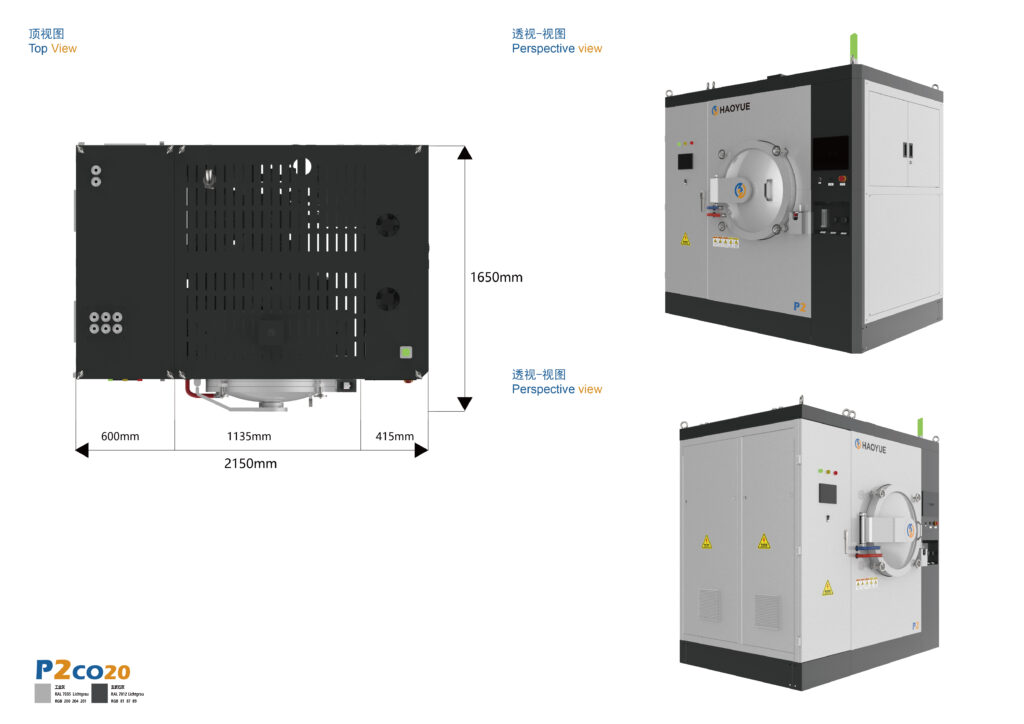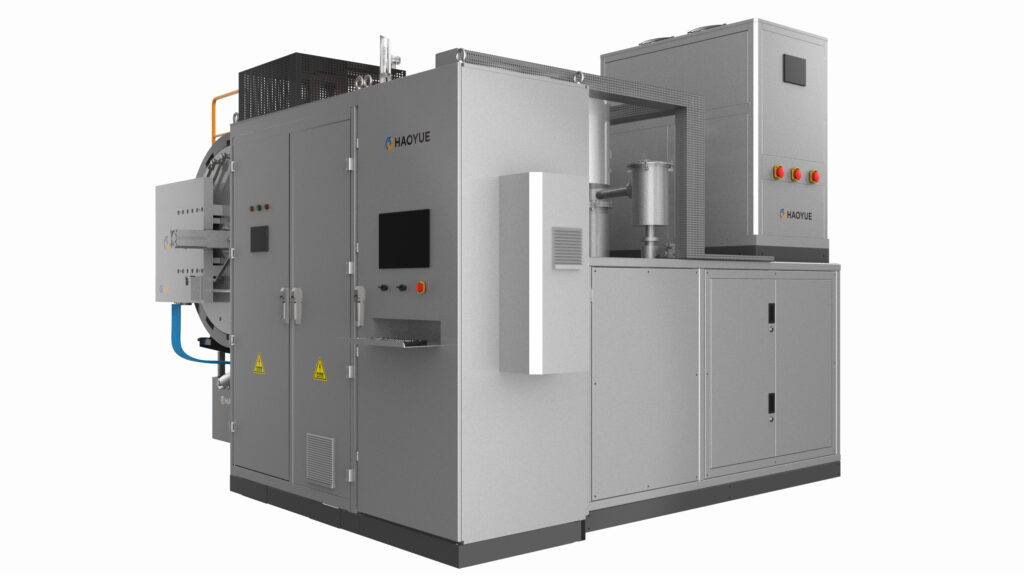






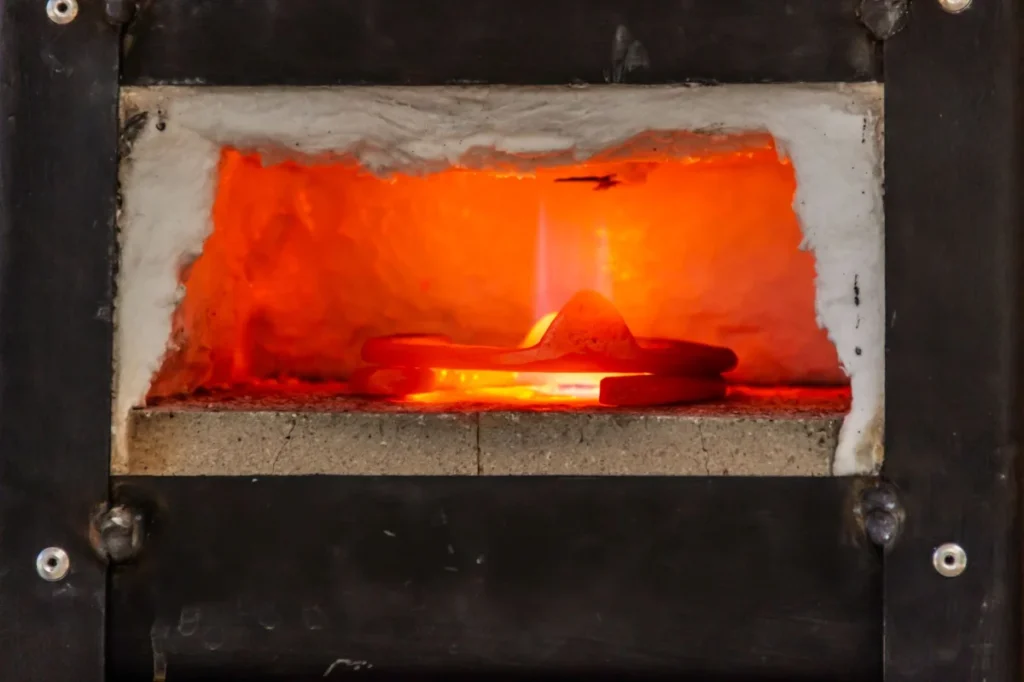
In modern industrial manufacturing, achieving precise material properties requires highly controlled thermal environments. Selecting a leading vakum fırını üreticisi is often the first step for enterprises looking to upgrade their production capabilities. When evaluating ısıl işlem setups, understanding the fundamental differences between a vakum fırını ile atmosferik fırın karşılaştırması is critical. While atmosphere furnaces introduce specific gases to protect or react with materials, vacuum environments eliminate impurities entirely, preventing oxidation and decarburization to yield unmatched metallurgical purity.
For powder metallurgy and advanced ceramics, the vakumlu sinterleme işlemi serves as the cornerstone of structural integrity. This process is highly specialized depending on the target material. For instance, achieving high density in silisyum karbür sinterleme requires precise temperature control, whereas the zirkonya sinterleme işlemi ve alümina sinterleme işlemi demand pristine conditions to prevent discoloration and microstructural defects. Manufacturers producing cutting systems often utilize a karbür takım sinterleme fırını to facilitate tungsten karbür sinterleme, ensuring extreme hardness and wear resistance. Similarly, the high-temperature requirements of molibden sinterleme demand specialized refractory metal hot zones to maintain thermal uniformity and prevent contamination.
When selecting advanced sintering equipment, engineers must analyze specific technical comparisons to match their production goals. Evaluating SPS ile sıcak presleme karşılaştırması (Spark Plasma Sintering vs. Hot Pressing) is crucial when rapid consolidation of powder is needed; consulting an experienced SPS fırın üreticisi can help determine if field-assisted sintering is appropriate for your materials. For ultra-high-density applications, comparing HIP ile vakumlu sinterleme karşılaştırması (Hot Isostatic Pressing) helps determine if secondary densification is necessary, often leading engineers to consult a certified HIP üreticisi. Furthermore, understanding vakumlu sinterleme ile basınçlı sinterleme karşılaştırması assists in selecting between standard vacuum cycles and overpressure cycles, which are optimized via a gaz basınçlı sinterleme fırını to suppress thermal dissociation.
Beyond sintering, thermal joining and surface modification are vital phases of high-value manufacturing. When comparing the benefits of Vakum lehimleme ile geleneksel lehimleme karşılaştırması, the absence of flux and the superior joint strength of vacuum-processed parts make it the preferred choice for critical assemblies. Consulting a vakumlu lehimleme fırını üreticisi allows companies to implement a precise vakumlu lehimleme işlemi that eliminates joint porosity. For post-forming ısıl işlem, incorporating a vakumlu tavlama işlemi Soğuk işlem görmüş metallerdeki iç gerilimleri azaltırken, vakumlu sertleştirme işlemi optimizes the wear characteristics of tool steels. These cycles, engineered by a premier vakumlu ısıl işlem fırını üreticisi, are particularly critical for titanyum alaşımının ısıl işlemi where oxygen pick-up must be strictly avoided.
These advanced thermal technologies serve highly specialized industries. In aerospace engineering, components must withstand extreme stresses, making it standard practice to process turbine blades utilizing an havacılık vakum fırını and relying on a dedicated havacılık ısıl işlem fırını. In the medical field, orthopedic joint replacements are processed in a tıbbi implant sinterleme fırını, while dental restorations achieve optimal translucency using a specialized diş implantı vakum fırını. The electronics sector also benefits heavily from these controlled environments, particularly through the deployment of a yarı iletken vakum fırını for wafer processing, utilizing a specialized vakumlu hidrojen fırını for reducing atmospheres, and implementing advanced pil malzemesi sinterleme fırını technology to synthesize high-purity anode and cathode powders.
Ultimately, selecting the right equipment configuration depends heavily on the thermal and chemical requirements of the process. When designing a system, deciding between a grafit fırını ile molibden fırını karşılaştırması is a key engineering decision; graphite offers excellent thermal shock resistance and cost-efficiency at extreme temperatures, while molybdenum is essential for cleanroom-grade, carbon-free environments. By partnering with a qualified vakumlu sinterleme fırını üreticisi, industrial buyers can customize their hot zones, gas delivery systems, and cooling rates to achieve perfect material properties every cycle.