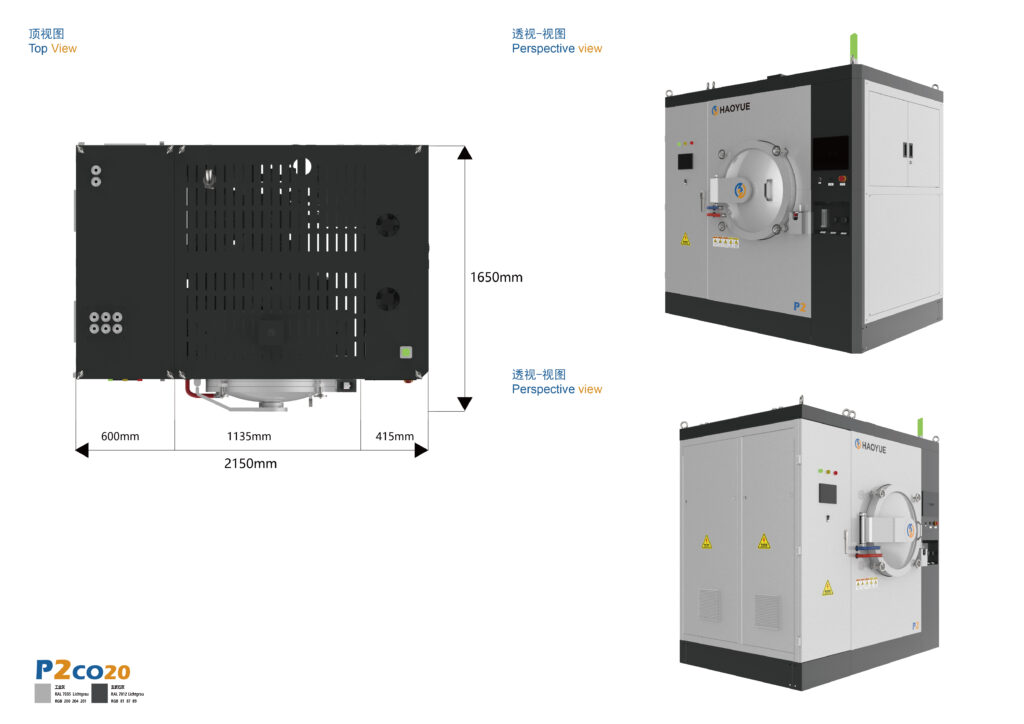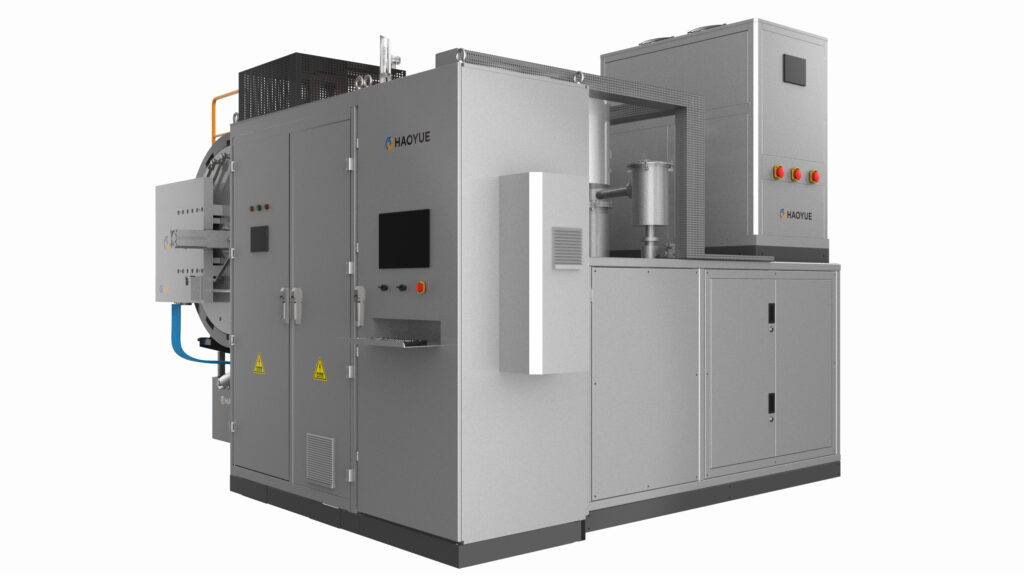






En el panorama en rápida evolución de la metalurgia avanzada, la cerámica técnica y la fabricación de semiconductores, seleccionar el adecuado procesamiento térmico system is a critical decision for engineers and procurement specialists. Partnering with an experienced vacuum furnace manufacturer allows industrial operations to customize solutions that meet strict metallurgical standards. Whether your facility requires high-temperature sintering, precise heat treatment, or specialized brazing, understanding the nuances of modern thermal systems is key to maximizing throughput and part quality. Working with a dedicated sinterización al vacío furnace manufacturer ensures that your specific material requirements are translated into robust, high-performance equipment design.
Tecnologías avanzadas de sinterización y selección de equipos
When consolidating advanced materials, selecting the correct sintering methodology is vital. Engineers frequently evaluate the performance of SPS vs hot pressing to determine the best path for rapid densification. While spark plasma sintering offers incredibly fast heating rates, a specialized SPS furnace manufacturer can design systems for near-net-shape components. Conversely, a hot pressing furnace manufacturer provides equipment ideal for larger, simpler geometries requiring simultaneous heat and uniaxial pressure. For components requiring isotropic density, comparing HIP vs vacuum sintering is standard practice. While a HIP manufacturer designs systems that utilize high-pressure inert gas to eliminate internal porosity, standard vacuum sintering remains a highly cost-effective and versatile alternative.
The choice of technology directly impacts the material properties achieved during the vacuum sintering process. This process is essential for high-performance ceramics and refractory metals, including silicon carbide sintering for wear-resistant parts, the zirconia sintering process and alumina sintering process for biomedical and structural components, as well as tungsten carbide sintering and molybdenum sintering for heavy-duty industrial tooling. For materials requiring extra densification pressure, comparing vacuum sintering vs pressure sintering helps engineers decide if a gas pressure sintering furnace is necessary to suppress thermal decomposition.
Soluciones de tratamiento térmico y soldadura fuerte de precisión
Achieving superior mechanical properties in critical metal components requires precise thermal cycles. A trusted vacuum heat treatment furnace manufacturer provides systems optimized for the vacuum annealing process and vacuum hardening process, ensuring minimal distortion and zero oxidation. These systems are particularly crucial for titanium alloy heat treatment, where contamination from atmospheric gases must be completely avoided to prevent embrittlement. When comparing a vacuum furnace vs atmosphere furnace, the vacuum environment consistently wins out for high-value components due to its superior control over surface chemistry and dew point.
For joining applications, utilizing a vacuum brazing process offers unparalleled joint strength and cleanliness. When comparing vacuum brazing vs conventional brazing, the vacuum method eliminates the need for corrosive fluxes, resulting in cleaner assemblies with minimal post-braze cleanup. To achieve these results, collaborating with an established vacuum brazing furnace manufacturer is essential to configure the hot zone and pumping systems correctly. For specific metallurgical reduction and bright annealing applications, a vacuum hydrogen furnace provides the controlled, highly reducing atmosphere necessary for processing sensitive alloys.
Aplicaciones específicas del sector y configuraciones de zonas de alto riesgo
Different industrial sectors require highly specialized thermal environments. In high-stakes manufacturing, the aerospace vacuum furnace and aerospace heat treatment furnace are indispensable for processing turbine blades and structural components under strict Nadcap compliance. In the medical sector, a medical implant sintering furnace or dental implant vacuum furnace ensures the bio-compatibility and high density of titanium and zirconia joint replacements and prosthetics. For cutting-edge electronics, a semiconductor vacuum furnace is essential for wafer processing and packaging, while a battery material sintering furnace supports the energy storage sector by processing advanced anode and cathode powders. Additionally, a carbide tool sintering furnace is the industry standard for producing high-durability cutting tools.
When configuring any of these systems, selecting the appropriate hot zone construction is a pivotal engineering decision. Comparing a graphite furnace vs molybdenum furnace is essential: graphite zones offer excellent thermal uniformity and cost-efficiency at extreme temperatures, whereas molybdenum zones are preferred for ultra-clean, carbon-free environments such as those required in medical and semiconductor processing.