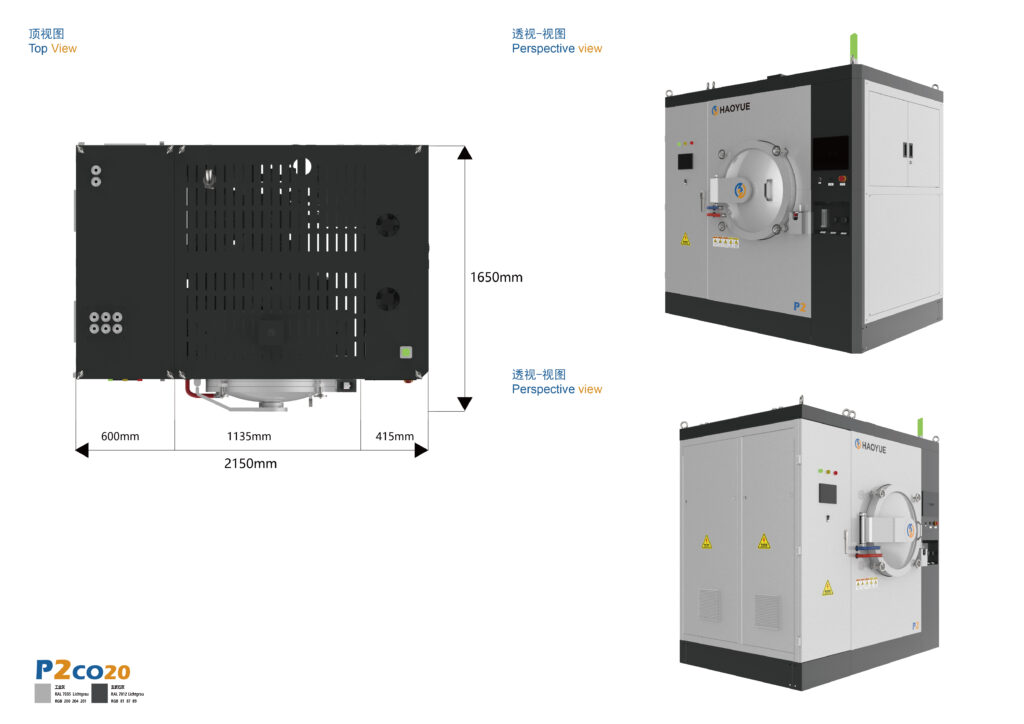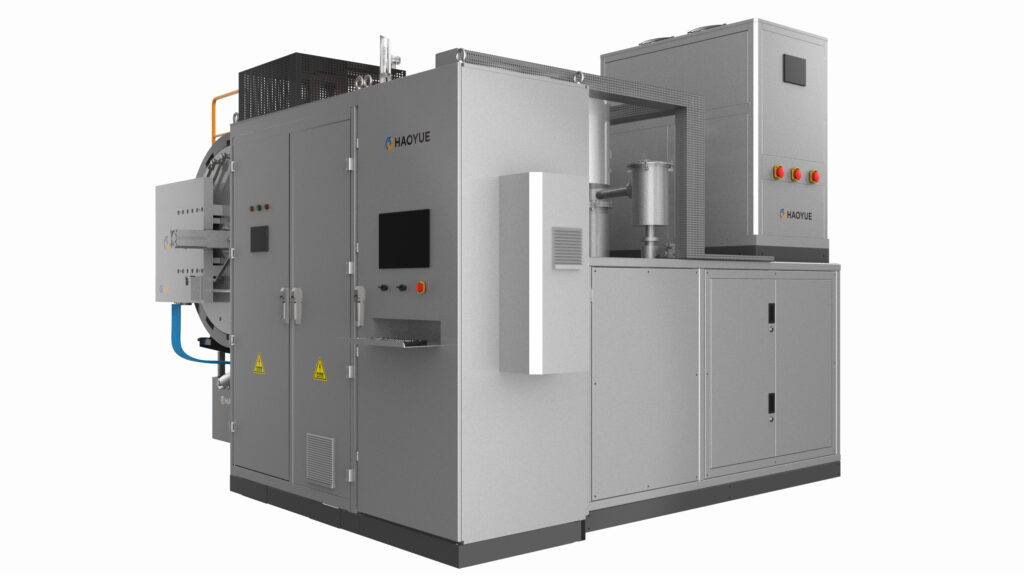






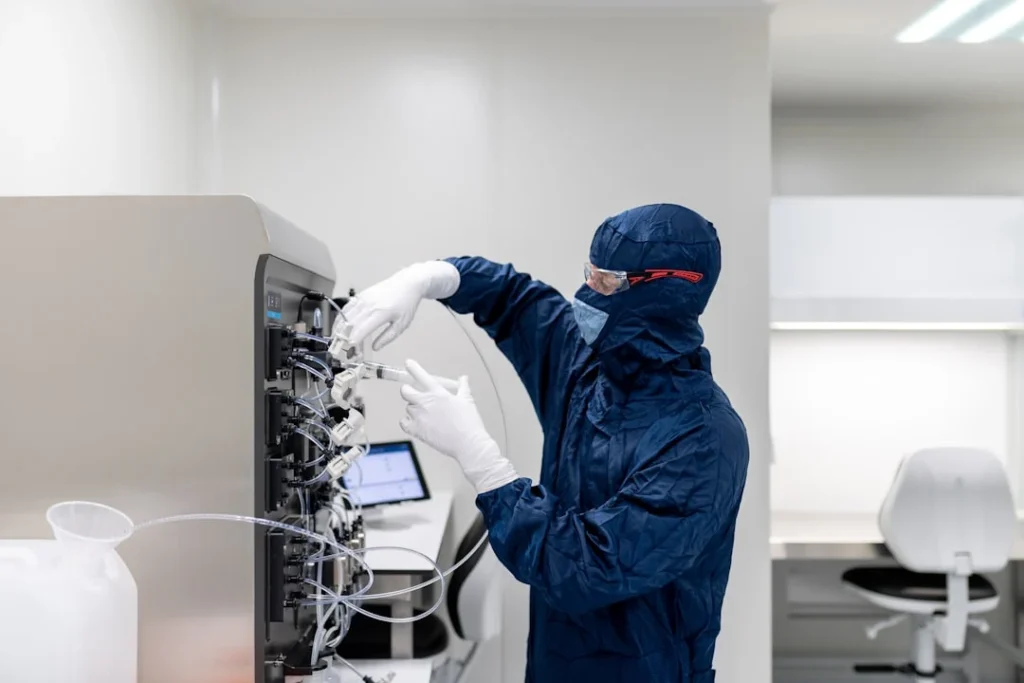
In the rapidly evolving landscape of advanced metallurgy and technical ceramics, elegir el correcto procesamiento térmico equipment is a critical decision for engineers. Partnering with an experienced fabricante de hornos de vacío ensures access to systems that deliver exceptional thermal uniformity, atmosphere control, and process repeatability. Whether you are fabricating high-strength aerospace components or delicate medical devices, understanding the nuances of different thermal technologies is key to optimizing your production workflow.
Sintering Technologies: From Spark Plasma to Hot Isostatic Pressing
For advanced material consolidation, sintering processes have undergone massive technological shifts. When looking at rapid consolidation, comparing SPS frente a prensado en caliente (Spark Plasma Sintering vs Hot Pressing) reveals that Spark Plasma Sintering offers significantly faster heating rates and shorter cycle times. As a leading Fabricante de hornos SPS o fabricante de hornos de prensado en caliente will explain, these technologies are vital for dense material fabrication. In contrast, when comparing Sinterización por prensado en caliente (HIP) frente a sinterización al vacío, Hot Isostatic Pressing (HIP) uses gas pressure to eliminate internal porosity, making a specialized fabricante de HIP indispensable for critical aerospace and defense components. These technologies are extensively applied in sinterización de carburo de silicio, el proceso de sinterización de zirconia, el proceso de sinterización de alúmina, así como sinterización de carburo de tungsteno y alta temperatura sinterización de molibdeno.
Heat Treatment and Brazing: Achieving Superior Mechanical Properties
Beyond sintering, thermal modification of metal alloys requires precise atmosphere control. Evaluating a horno de vacío frente a horno atmosférico highlights that vacuum environments prevent oxidation and decarburization, producing bright, clean parts without the need for post-treatment acid baths. This is particularly crucial for a fabricante de hornos de tratamiento térmico al vacío designing systems for the proceso de recocido al vacío y proceso de endurecimiento al vacío applications. Similarly, when joining metals, analyzing soldadura fuerte al vacío frente a soldadura fuerte convencional demonstrates that the proceso de soldadura fuerte al vacío yields flux-free, high-strength joints with minimal distortion. Working with a dedicated fabricante de hornos de soldadura fuerte al vacío allows industries to achieve hermetic joints in complex assemblies, which is highly sought after in Tratamiento térmico de aleación de titanio and aerospace component manufacturing.
Specialized Equipment and Diverse Industry Applications
Different industries demand highly tailored thermal solutions. For instance, an horno de vacío aeroespacial o un horno de tratamiento térmico aeroespacial must comply with strict AMS2750 standards to guarantee precise temperature uniformity. In the healthcare sector, a specialized horno de sinterización de implantes médicos o un horno de vacío para implantes dentales ensures biocompatibility and zero contamination for orthopedic and dental restorations. For energy and cutting tools, manufacturers rely on a horno de sinterización de material de batería o un horno de sinterización de herramientas de carburo. Selecting the correct hot zone material—such as evaluating a horno de grafito frente a horno de molibdeno—is essential, as molybdenum hot zones are preferred for cleanroom-compatible processes like those in a horno de vacío para semiconductores. Furthermore, advanced processes often require a horno de hidrógeno al vacío para atmósferas reductoras o una horno de sinterización a presión de gas to achieve near-theoretical density in advanced ceramics.
Conclusion: Customizing Your Thermal Strategy
Ultimately, selecting a premier fabricante de hornos de sinterización al vacío is about matching your specific application with the correct technology. Understanding the differences between a standard proceso de sinterización al vacío and a more complex sinterización al vacío frente a sinterización a presión setup can significantly impact your product’s mechanical properties. By collaborating with a trusted manufacturer, you can customize your thermal processing systems to meet the exact demands of modern industrial manufacturing.