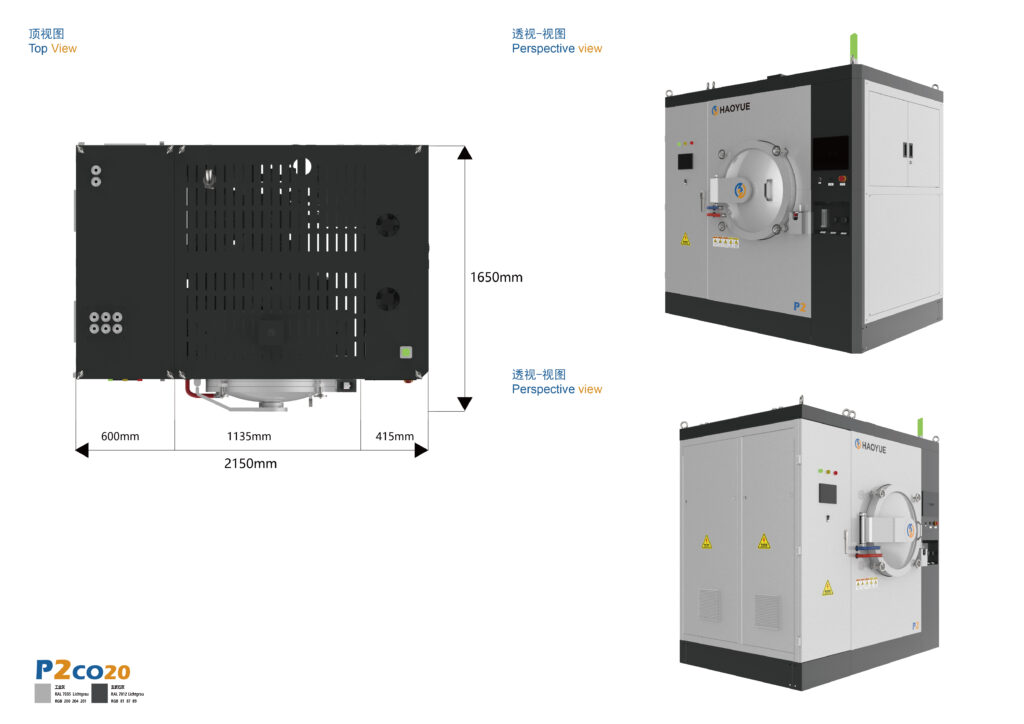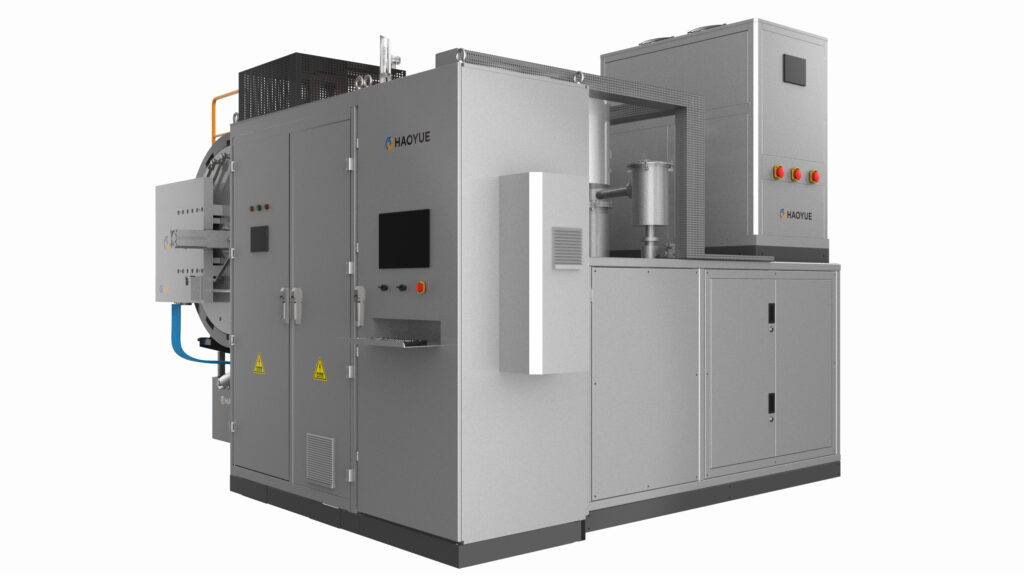






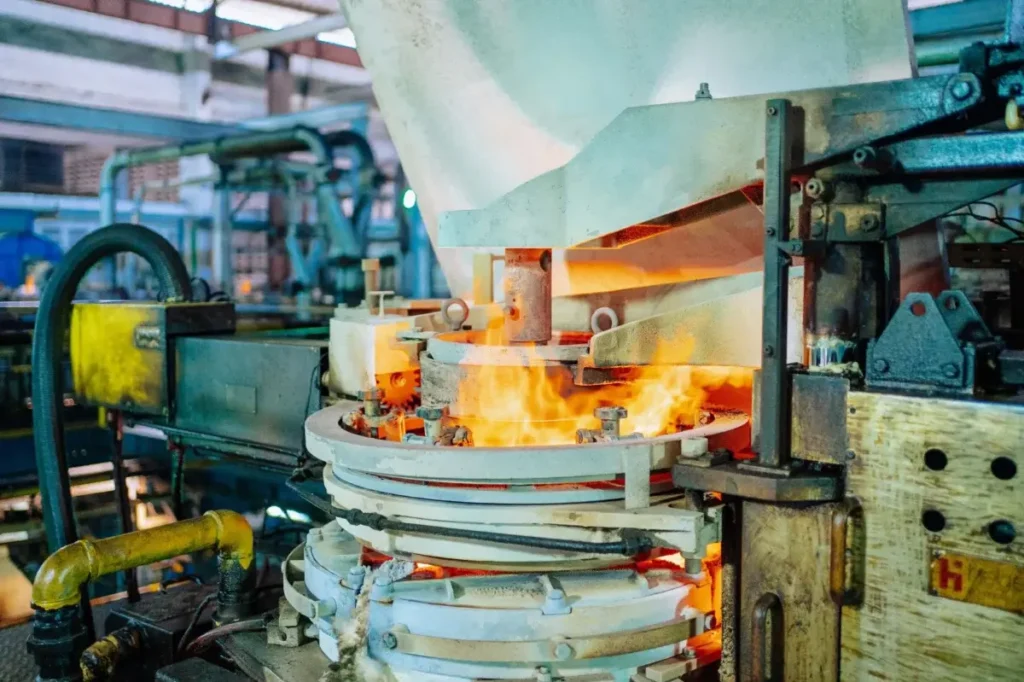
En la fabricación industrial moderna, lograr propiedades de materiales precisas requiere tecnología avanzada. procesamiento térmico tecnologías. Para los ingenieros metalúrgicos y los especialistas en adquisiciones, seleccionar la adecuada procesamiento térmico El sistema es una decisión crítica que impacta directamente en la calidad del producto y la eficiencia operativa. Al evaluar las opciones térmicas, es fundamental comprender las diferencias fundamentales entre un horno de vacío frente a horno atmosférico es el primer paso. Mientras que los hornos de atmósfera controlada introducen gases específicos para proteger las piezas, un entorno de vacío elimina por completo los gases residuales, evitando la oxidación, la descarburación y la contaminación. Asociarse con un proveedor líder fabricante de hornos de vacío Garantiza que sus instalaciones obtengan el perfil térmico y los niveles de vacío exactos necesarios para materiales de alto rendimiento.
Tecnologías avanzadas de sinterización: Selección del método adecuado
La sinterización es vital para consolidar compactos de polvo en componentes densos y de alta resistencia. Elegir el método óptimo requiere una comprensión profunda de la termodinámica avanzada. Por ejemplo, al evaluar la sinterización por plasma de chispa frente al prensado en caliente uniaxial, los ingenieros a menudo comparan SPS frente a prensado en caliente para determinar la vía de consolidación más rápida con mínimo crecimiento del grano. Consultar a un experto Fabricante de hornos SPS puede revelar cómo la corriente continua pulsada acelera la densificación, mientras que trabajar con un equipo especializado fabricante de hornos de prensado en caliente Pueden proporcionar sistemas diseñados para la aplicación continua de presión y temperatura durante ciclos más prolongados.
Para componentes críticos que requieren una densidad cercana a la teórica, comparando Sinterización por prensado en caliente (HIP) frente a sinterización al vacío es esencial. El prensado isostático en caliente (HIP) utiliza simultáneamente alta temperatura y presión de gas isostática para eliminar los huecos internos, mientras que el estándar proceso de sinterización al vacío Se basa únicamente en energía térmica. Una empresa de renombre fabricante de HIP pueden diseñar sistemas que postratan piezas sinterizadas para lograr una densidad 100%. Alternativamente, para aplicaciones donde se debe aplicar presión mecánica durante ciclos térmicos, un horno de sinterización a presión de gas ofrece una solución intermedia, que cierra la brecha en la sinterización al vacío frente a sinterización a presión debate mediante la combinación de calentamiento al vacío con etapas de gas a sobrepresión para prevenir la descomposición térmica.
Procesos de sinterización específicos para cada material
Los distintos materiales avanzados requieren perfiles térmicos altamente personalizados. Para las cerámicas de ultra alta temperatura, el éxito sinterización de carburo de silicio requiere un control atmosférico preciso y temperaturas superiores a 2000 °C. Por el contrario, los campos médico y dental dependen de la proceso de sinterización de zirconia y el proceso de sinterización de alúmina para producir prótesis bioinertes, altamente translúcidas y mecánicamente robustas. Lograr estas propiedades requiere un método confiable. fabricante de hornos de sinterización al vacío capaz de proporcionar una uniformidad de temperatura precisa.
Para herramientas industriales pesadas, sinterización de carburo de tungsteno y de alta pureza sinterización de molibdeno requieren diseños de cámara robustos. Al seleccionar equipos para estos metales refractarios, los ingenieros deben evaluar un horno de grafito frente a horno de molibdeno. Las zonas calientes de grafito ofrecen capacidades de alta temperatura rentables, pero pueden introducir contaminación por carbono, mientras que las zonas calientes de molibdeno proporcionan un entorno ultra limpio esencial para el procesamiento de aleaciones sensibles.
Soluciones de tratamiento térmico y soldadura fuerte de precisión
Más allá de la sinterización, el procesamiento térmico al vacío es crucial para la unión y la modificación de superficies. Las ventajas industriales de soldadura fuerte al vacío frente a soldadura fuerte convencional Las ventajas son claras: la soldadura fuerte al vacío elimina la necesidad de fundentes corrosivos, lo que da como resultado uniones limpias y de alta resistencia, libres de oxidación. Trabajar con un especialista fabricante de hornos de soldadura fuerte al vacío permite a las empresas optimizar la proceso de soldadura fuerte al vacío para ensamblajes complejos, como intercambiadores de calor y paquetes electrónicos.
Para modificaciones estructurales, ejecutar una precisa proceso de recocido al vacío alivia las tensiones internas en metales trabajados en frío, mientras que un control proceso de endurecimiento al vacío aumenta drásticamente la resistencia al desgaste sin descamación de la superficie. Estos procesos son particularmente vitales para metales reactivos, donde Tratamiento térmico de aleación de titanio Debe realizarse en condiciones de alto vacío para evitar la fragilización por hidrógeno. Para procesos que requieren atmósferas reductoras activas, se requiere un equipo especializado. horno de hidrógeno al vacío Se utiliza para limpiar óxidos y tratar térmicamente aleaciones sensibles bajo gas hidrógeno seco. En colaboración con una empresa establecida fabricante de hornos de tratamiento térmico al vacío Garantiza el cumplimiento de estrictas normas aeroespaciales y médicas.
Aplicaciones específicas del sector y adecuación de equipos
Los requisitos de procesamiento térmico varían enormemente entre los sectores de alta tecnología. En el sector aeroespacial, los componentes críticos para la seguridad deben procesarse en un sistema certificado. horno de vacío aeroespacial o un dedicado horno de tratamiento térmico aeroespacial que cumple con los estándares AMS2750. En el sector biomédico, mantener entornos ultra limpios es primordial; por lo tanto, los fabricantes utilizan un sistema compatible con salas limpias. horno de sinterización de implantes médicos o un compacto horno de vacío para implantes dentales para garantizar la biocompatibilidad de las prótesis de titanio y circonio.
Los sectores de energía y electrónica, en rápida expansión, también dependen en gran medida de sistemas de vacío especializados. Un sistema de alto rendimiento horno de sinterización de material de batería es esencial para sintetizar polvos avanzados de ánodo y cátodo, mientras que una alta pureza horno de vacío para semiconductores es fundamental para el procesamiento de obleas, el crecimiento de cristales y la deposición de películas delgadas. Finalmente, la industria de herramientas de corte depende de un equipo de alta resistencia. horno de sinterización de herramientas de carburo para producir plaquitas de perforación y fresado resistentes al desgaste. Al adaptar sus necesidades específicas de material e industria a la configuración correcta del horno, usted garantiza propiedades mecánicas óptimas, tasas mínimas de desperdicio y máxima rentabilidad de la inversión.