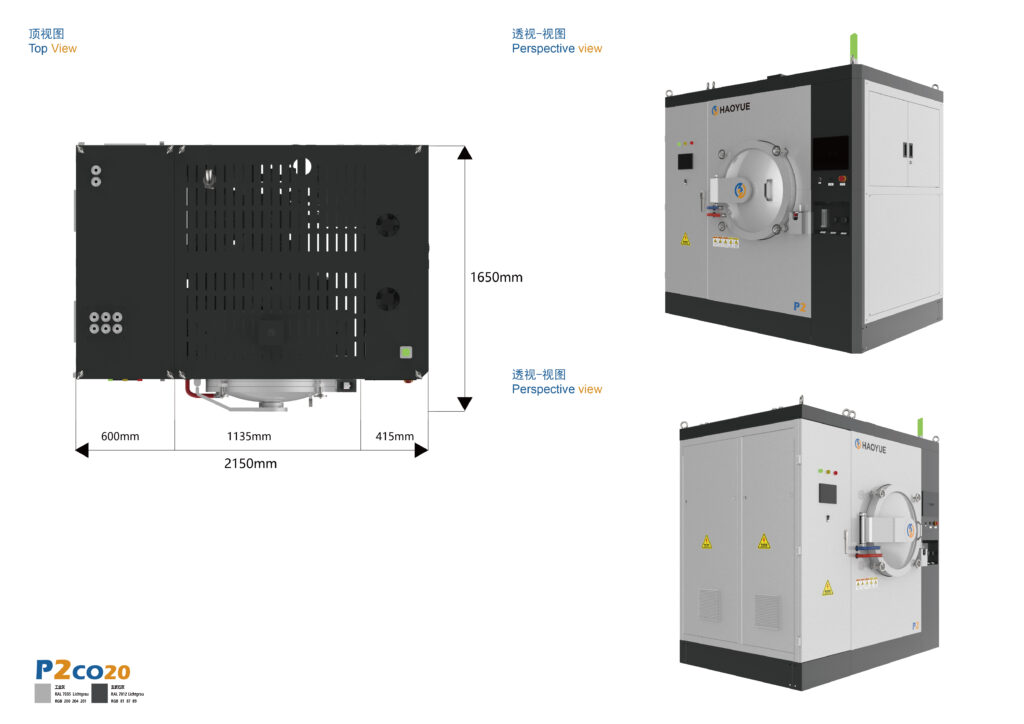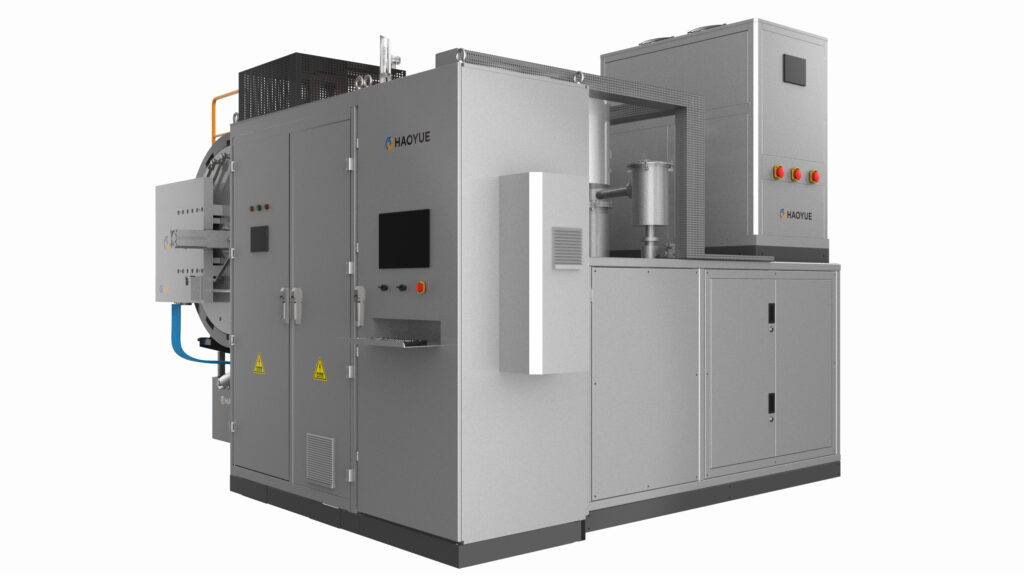






In the field of advanced materials manufacturing, selecting the right thermal processing equipment is crucial for achieving superior mechanical properties. As a leading vacuum furnace manufacturer, we understand that thermal engineering demands absolute precision. Whether you are dealing with high-temperature diffusion bonding or complex powder metallurgy, partnering with an experienced vacuum heat treatment furnace manufacturer ensures your thermal cycles are optimized for repeatable, defect-free outcomes.
Modern industrial applications span across aerospace, medical, and electronics sectors, requiring highly specialized thermal systems. For instance, selecting a reliable vacuum sintering furnace manufacturer is the first step toward optimizing the production of high-density structural ceramics. Similarly, working with a qualified SPS furnace manufacturer or a hot pressing furnace manufacturer allows engineers to explore the rapid densification of advanced materials, while an experienced HIP manufacturer provides the ultimate solution for eliminating internal porosity in critical castings.
Advanced Sintering and Heat Treatment Processes
Sintering processes are highly material-dependent and require tailored thermal profiles. For high-performance structural ceramics, silicon carbide sintering requires extremely high temperatures and precise atmosphere control to prevent phase decomposition. In biomedical applications, the zirconia sintering process and alumina sintering process are critical to achieving the perfect balance of aesthetic translucency and structural integrity for implants. In the tooling sector, tungsten carbide sintering yields dense, wear-resistant cutting tools, while specialized refractory metals depend heavily on precise molybdenum sintering protocols to retain their ductility and high-temperature strength.
Beyond sintering, the thermal modification of metal parts relies on controlled environments to prevent surface oxidation. Implementing a precise vacuum sintering process ensures that powder metal compacts achieve near-theoretical density without environmental contamination. For joining dissimilar metals, the vacuum brazing process offers clean, flux-free joints of exceptional mechanical strength. When modifying material microstructures, processes such as the vacuum annealing process relieve internal stresses in cold-worked metals, whereas the vacuum hardening process maximizes wear resistance and tensile strength. These thermal cycles are especially critical during titanium alloy heat treatment, where interstitial gas contamination must be strictly avoided to prevent embrittlement.
Industry-Specific Thermal Solutions
Different industries demand highly customized thermal environments to meet strict regulatory and quality standards. In high-stakes aerospace manufacturing, an aerospace vacuum furnace must meet stringent NADCAP standards, while an aerospace heat treatment furnace is essential for processing turbine blades and critical structural components. For life sciences, a specialized medical implant sintering furnace ensures the bio-compatibility and fatigue life of orthopedic implants, and a compact dental implant vacuum furnace provides precise heating profiles for dental prosthetics.
The energy and electronics sectors also rely heavily on customized thermal reactors. For example, a high-purity semiconductor vacuum furnace is essential for wafer processing, annealing, and thin-film deposition, while a specialized battery material sintering furnace optimizes the electrochemical performance of anode and cathode powders. In the tooling industry, a high-throughput carbide tool sintering furnace is the standard for producing high-durability industrial wear parts and cutting inserts.
Technical Comparisons: Selecting the Right Technology
Choosing the right thermal equipment requires a deep understanding of process trade-offs. When comparing rapid consolidation methods, analyzing SPS vs hot pressing (Spark Plasma Sintering vs. Hot Pressing) reveals that SPS offers significantly faster heating rates and lower sintering temperatures. When density is the primary concern, comparing HIP vs vacuum sintering (Hot Isostatic Pressing vs. vacuum sintering) highlights HIP’s ability to eliminate closed porosity using high-pressure inert gas. Similarly, evaluating vacuum sintering vs pressure sintering helps engineers determine if uniaxial or isostatic pressure is required alongside thermal energy to achieve full densification.
System architecture also plays a vital role. When deciding on the overall furnace setup, comparing a vacuum furnace vs atmosphere furnace is critical; vacuum systems eliminate oxidation risks entirely, whereas atmosphere furnaces are suitable for less sensitive materials requiring protective gas blankets. At the hot zone level, choosing a graphite furnace vs molybdenum furnace depends on process temperature and material compatibility, as graphite is highly cost-effective but can cause carbon contamination in certain alloys, unlike molybdenum. Finally, in joining applications, vacuum brazing vs conventional brazing demonstrates that vacuum environments eliminate the need for corrosive fluxes, resulting in cleaner, stronger, and more precise joints.
To meet these diverse demands, advanced equipment like a vacuum hydrogen furnace is used for reducing oxides on refractory metals, while a gas pressure sintering furnace combines vacuum heating with overpressure gas to suppress material decomposition at ultra-high temperatures. As a dedicated vacuum brazing furnace manufacturer, we provide turnkey solutions tailored to these complex thermodynamic requirements.