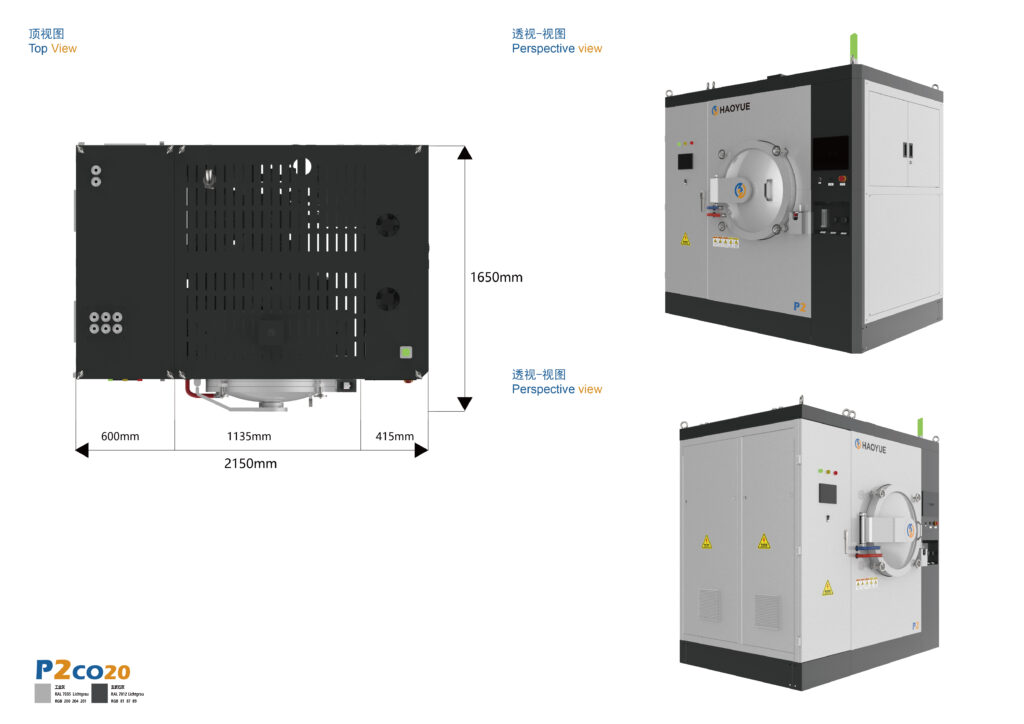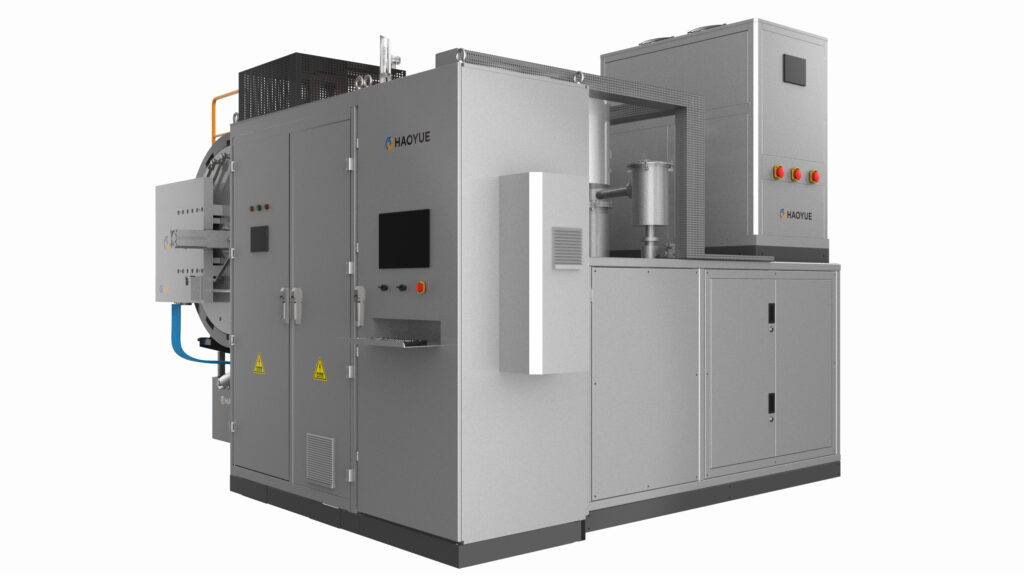






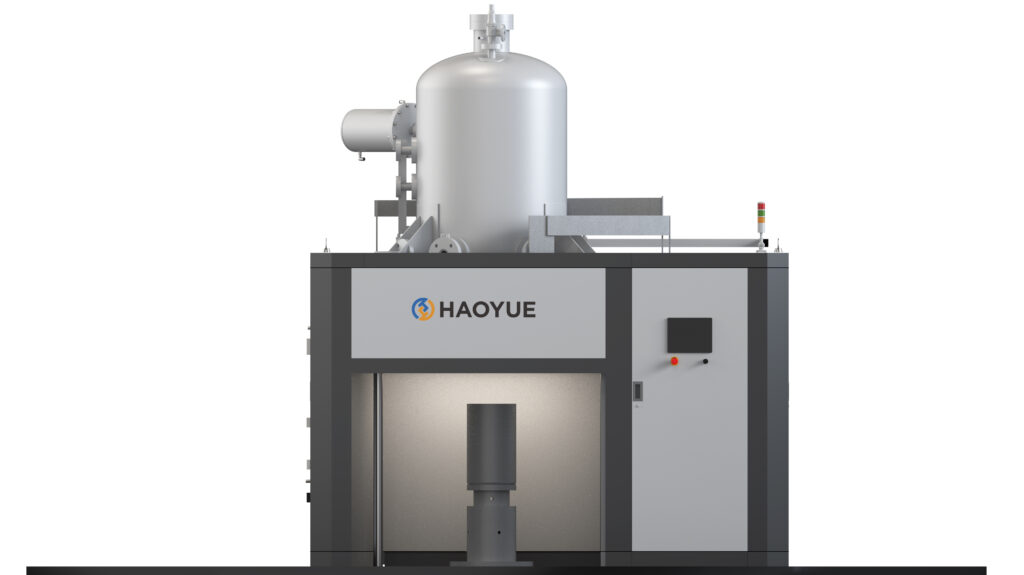
When selecting a vacuum sintering furnace for high-temperature applications (above 1600°C), the hot zone design is arguably the most critical factor determining both product quality and operational cost.
1. Hot Zone Material Selection
The three most common hot zone materials are:
- Graphite felt + graphite sheet: Most economical, excellent thermal uniformity up to 2200°C. Suitable for hard metals, cemented carbides, and graphite products.
- Molybdenum (Mo) sheet + Mo heat shields: Clean environment, no carbon contamination. Ideal for titanium sintering, stainless steel MIM, and reactive materials.
- Tungsten (W) sheet + W heat shields: Highest temperature capability (2500°C+), minimal outgassing. Required for refractory metals like tungsten, tantalum, and niobium sintering.
2. Heating Element Configuration
Multi-zone independent control (typically 2-4 zones) provides superior temperature uniformity. Graphite rod elements are standard for most applications, while molybdenum wire elements offer carbon-free heating for clean processes.
3. Critical Performance Metrics
- Temperature uniformity: ±5°C or better across the working zone (per AMS 2750E Class 2)
- Maximum working pressure: Typically 0.1-10 bar (gauge) for over-pressure sintering
- Ultimate vacuum level: 6.7×10⁻³ Pa for clean processing
- Cooling rate: Programmable from 0.1°C/min to rapid gas quenching (up to 100°C/min with high-pressure H₂/Ar/N₂)
4. Maintenance Considerations
Graphite hot zones typically require replacement every 2-3 years under normal production schedules (500-1000 cycles). Regular inspection for cracks, oxidation, and mechanical deformation can extend service life significantly.
HAOYUE offers customized hot zone designs for each application, with optimized material selection based on your specific sintering temperature, atmosphere requirements, and production volume. Contact our engineers for a tailored solution.
Related Products & Services
- Vacuum Sintering Furnace – Advanced sintering solutions from HaoYue Group.
Looking for high-quality vacuum furnace solutions? Contact HaoYue Group for more information.
Related Products & Services
- Vacuum Sintering Furnace – Advanced sintering solutions from HaoYue Group.
Looking for high-quality vacuum furnace solutions? Contact HaoYue Group for more information.