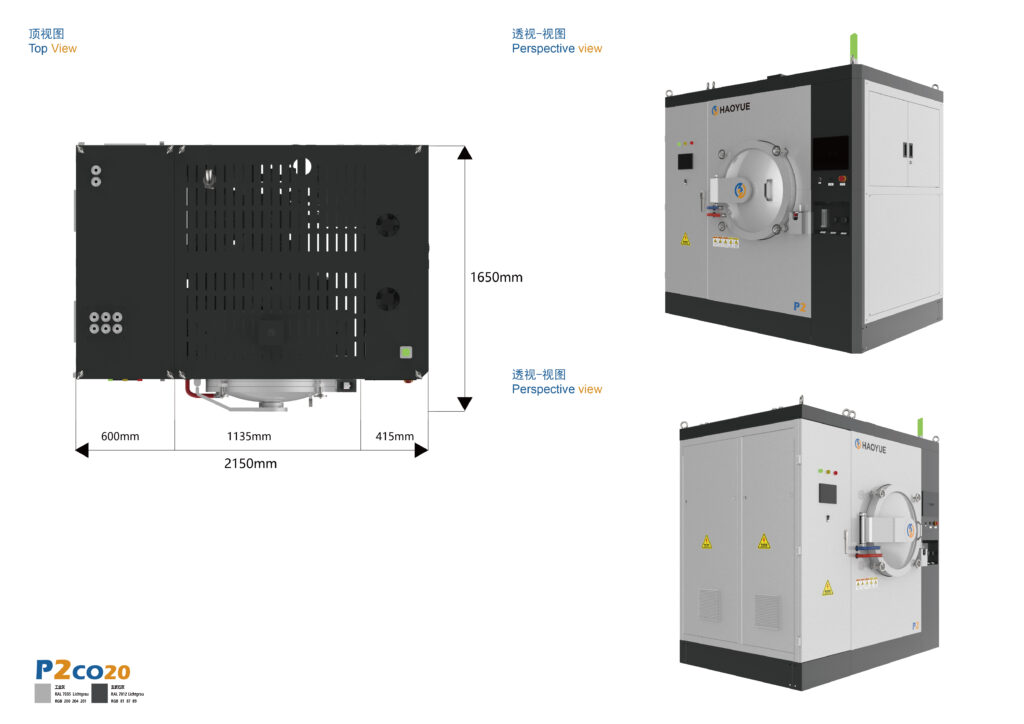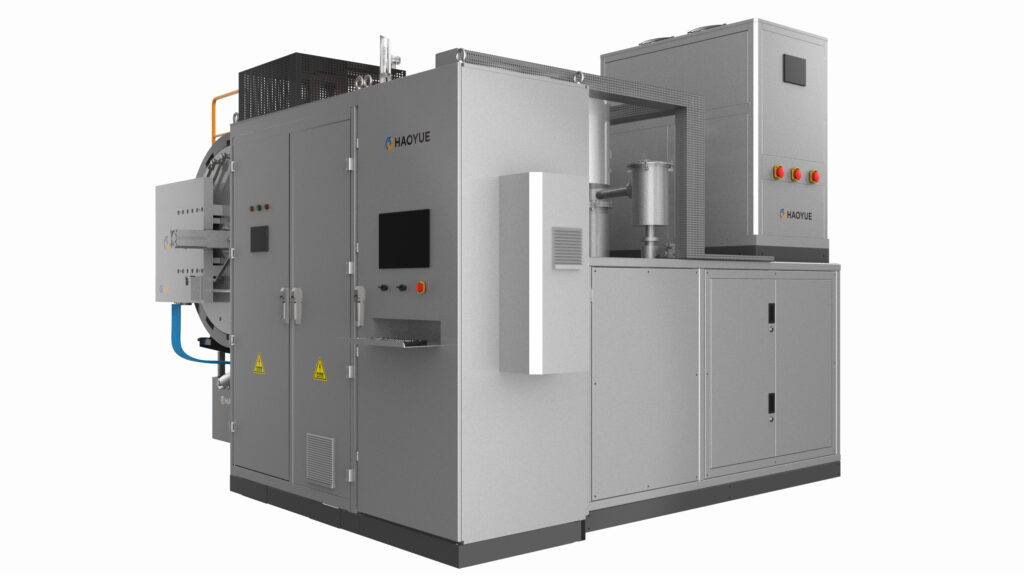






In the high-precision world of advanced metallurgy, technical ceramics, and semiconductor manufacturing, selecting the correct thermal processing setup is paramount. For design engineers and procurement specialists, understanding the fundamental differences of a vacuum furnace vs atmosphere furnace is the first critical step toward achieving pristine material purity and structural integrity. As a leading vacuum furnace manufacturer, we recognize that modern industrial applications demand absolute control over atmosphere, temperature uniformity, and pressure. Whether your facility requires a specialized vacuum sintering furnace manufacturer or a versatile vacuum heat treatment furnace manufacturer, selecting the right system directly impacts your material’s mechanical properties, density, and overall production yield.
Sintering Technologies and Advanced Material Consolidation
When engineering high-performance ceramics, optimizing the overall vacuum sintering process is essential. Materials such as silicon carbide sintering and the alumina sintering process require extreme temperatures and ultra-clean vacuum levels to prevent oxidation and promote grain growth. For medical and dental applications, the highly sensitive zirconia sintering process is critical, often utilized in a dedicated dental implant vacuum furnace or a broader medical implant sintering furnace to ensure biocompatibility and aesthetic standards.
When comparing modern powder metallurgy consolidation techniques, the debate of SPS vs hot pressing is highly relevant. Partnering with an experienced SPS furnace manufacturer allows facilities to leverage Spark Plasma Sintering for rapid, low-temperature consolidation, while a traditional hot pressing furnace manufacturer provides the steady uniaxial pressure required for larger, simple-geometry components. For heavy-duty industrial wear parts, utilizing a specialized carbide tool sintering furnace optimizes tungsten carbide sintering by eliminating micro-porosity and ensuring exceptional hardness.
High-Pressure Solutions and Specialized Atmospheres
For the ultimate density in critical components, manufacturers often evaluate the benefits of HIP vs vacuum sintering. Partnering with a certified HIP manufacturer allows for post-sintering hot isostatic pressing, which uses high-pressure inert gas to eliminate internal voids. Alternatively, a gas pressure sintering furnace offers an integrated, cost-effective solution when evaluating vacuum sintering vs pressure sintering for silicon nitride and other covalent ceramics. In specialized metal processing, such as molybdenum sintering or refractory metal purification, a vacuum hydrogen furnace provides the highly reducing atmosphere necessary to prevent oxidation and remove residual impurities.
Precision Heat Treatment and Vacuum Brazing
Precise thermal cycles are essential for structural integrity in aerospace and automotive supply chains. Implementing a robust vacuum annealing process or a vacuum hardening process ensures superior surface finishes, optimal grain structure, and minimal distortion without decarburization. For high-strength aerospace components, executing a precise titanium alloy heat treatment in an aerospace heat treatment furnace or utilizing an aerospace vacuum furnace is non-negotiable to meet strict Nadcap standards.
Furthermore, joining complex, multi-material assemblies requires a specialized vacuum brazing furnace manufacturer. The transition from vacuum brazing vs conventional brazing highlights how a controlled vacuum brazing process eliminates the need for corrosive fluxes, resulting in cleaner, stronger, and leak-tight joint interfaces that are vital for liquid cooling plates and aerospace manifolds.
Industry-Specific Applications and Chamber Configurations
Different industrial sectors require tailored thermal environments to match their unique material profiles. For instance, the green energy sector relies heavily on a specialized battery material sintering furnace to produce high-capacity anode and cathode powders. Conversely, microelectronics production depends on high-purity systems like a semiconductor vacuum furnace to process wafers and deposit thin films under contamination-free conditions.
When designing these systems, engineers must carefully evaluate the heating chamber configuration. Comparing a graphite furnace vs molybdenum furnace is essential, as graphite zones offer excellent thermal efficiency and cost-effectiveness at extreme temperatures, while molybdenum hot zones are mandatory for carbon-sensitive materials, medical devices, and cleanroom-compatible aerospace components.