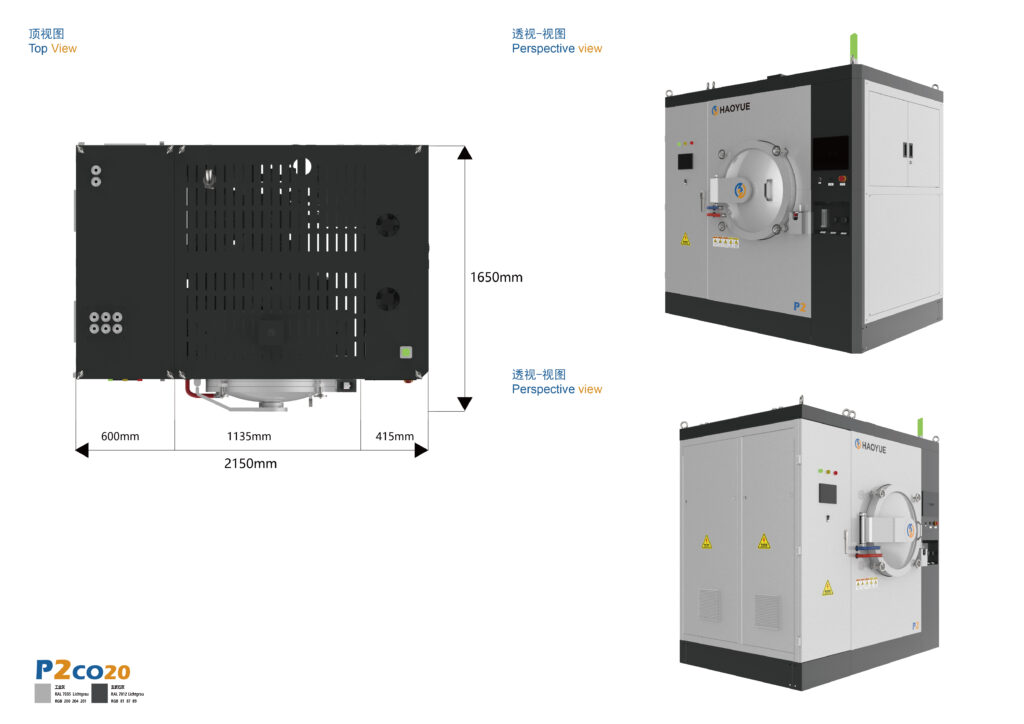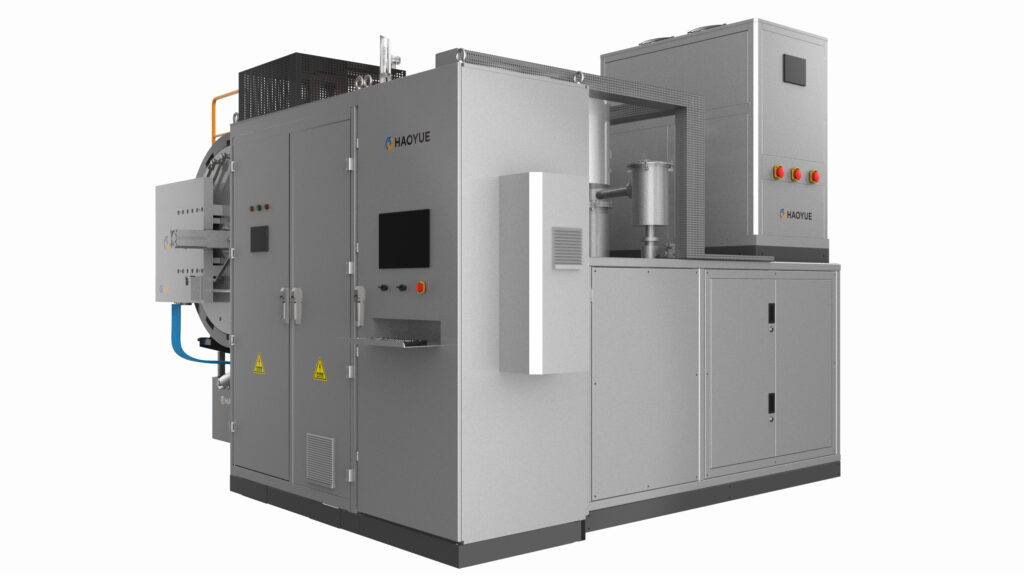






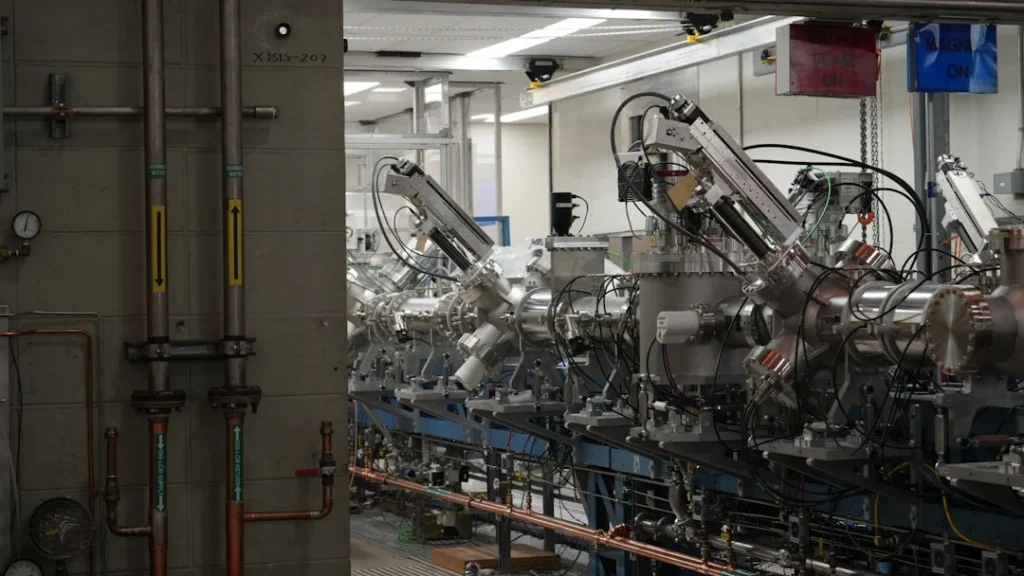
In the rapidly evolving landscape of advanced manufacturing, selecting the precise thermal processing equipment is paramount for achieving superior material properties. As a premier vacuum furnace manufacturer, we understand that industries ranging from aerospace to medical devices require unparalleled thermal control, uniformity, and purity. Whether your operations demand advanced powder metallurgy compaction, high-temperature sintering, or precise diffusion bonding, selecting the right technology and partner—such as an experienced vacuum sintering furnace manufacturer—is the cornerstone of manufacturing excellence.
Advanced Sintering Dynamics for High-Performance Materials
Sintering processes lie at the heart of structural ceramic and refractory metal production. Achieving theoretical density in technical ceramics requires specialized thermal profiles. For instance, high-strength structural parts rely heavily on advanced silicon carbide sintering, while bio-compatible components demand a highly controlled zirconia sintering process or alumina sintering process to ensure microstructural integrity. For refractory metals and heavy alloys, precise thermal cycles govern successful tungsten carbide sintering and molybdenum sintering, preventing grain growth while maximizing mechanical toughness.
Critical Comparisons: Selecting the Right Thermal Architecture
When engineers evaluate thermal processing options, understanding the nuances of SPS vs hot pressing (Spark Plasma Sintering vs Hot Pressing) is vital. SPS offers rapid heating rates and shorter cycle times, whereas hot pressing remains a robust standard for larger, uniform components. Similarly, evaluating HIP vs vacuum sintering (Hot Isostatic Pressing) helps manufacturers determine if the ultra-high density provided by HIP justifies the higher operational costs compared to a standard vacuum sintering process. Additionally, choosing between vacuum sintering vs pressure sintering depends on the material’s dissociation pressure at sintering temperatures, often leading manufacturers to implement a high-performance gas pressure sintering furnace.
From an equipment engineering perspective, selecting the hot zone material is another critical decision. A comparison of graphite furnace vs molybdenum furnace reveals that while graphite zones offer cost-effective, ultra-high-temperature capabilities, molybdenum zones are essential for cleanroom-grade, carbon-free environments. Furthermore, understanding the fundamental differences of a vacuum furnace vs atmosphere furnace is crucial; vacuum systems eliminate oxidation risks entirely, making them indispensable for reactive metals.
Advanced Heat Treatment and Joining Technologies
Beyond sintering, thermal modification of metal alloys requires precise atmospheric control. Implementing a controlled vacuum hardening process ensures high wear resistance without surface decarburization, while a dedicated vacuum annealing process relieves internal stresses in cold-worked components. These thermal cycles are especially critical in aerospace applications, where precise titanium alloy heat treatment dictates the fatigue life of critical flight components.
For joining dissimilar metals or complex assemblies, the vacuum brazing process offers unprecedented joint strength and cleanliness. When comparing vacuum brazing vs conventional brazing, the absence of flux in a vacuum environment eliminates corrosive residues and voids, providing leak-tight joints essential for high-vacuum and aerospace applications.
Industry-Specific Thermal Solutions
Different industrial sectors demand tailored thermal hardware. In the aerospace sector, compliance with AMS2750 standards makes a certified aerospace vacuum furnace or a dedicated aerospace heat treatment furnace mandatory for critical component certification. In the medical sector, orthopedic devices require a specialized medical implant sintering furnace, while prosthetic dentistry relies on a compact dental implant vacuum furnace to process custom zirconia and titanium restorations. The electronics sector relies heavily on a specialized semiconductor vacuum furnace for wafer processing and packaging, while energy storage innovations are driven by high-throughput processing in a battery material sintering furnace. Finally, the tooling industry achieves wear-resistant cutting edges using a highly optimized carbide tool sintering furnace.
Partnering with a Specialized Thermal Equipment Manufacturer
Acquiring the right industrial system requires collaboration with a specialized manufacturer. Whether you need to consult an established SPS furnace manufacturer, a precise hot pressing furnace manufacturer, or a global HIP manufacturer, technical expertise is non-negotiable. For heat treatment and joining, working with a certified vacuum heat treatment furnace manufacturer or a vacuum brazing furnace manufacturer ensures compliance with international quality standards. For specialized chemical reactions and reduction processes, integrating a vacuum hydrogen furnace can optimize processing conditions for advanced alloys and semiconductor components. By selecting the appropriate thermal processing technology, industrial manufacturers can guarantee consistent quality, reduced cycle times, and a significant competitive advantage.