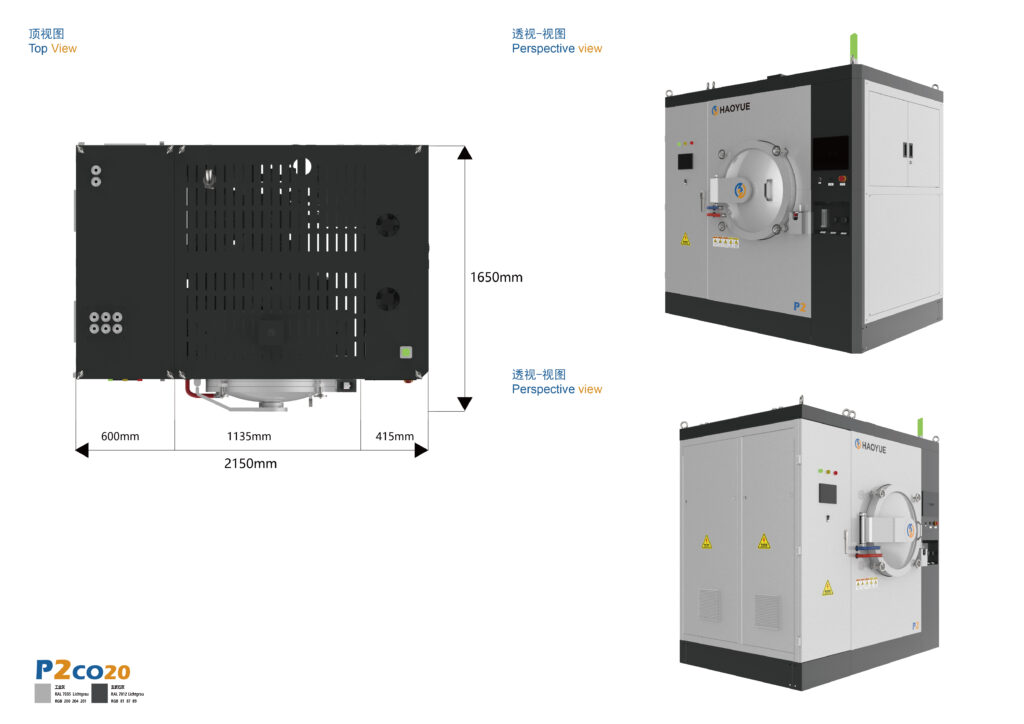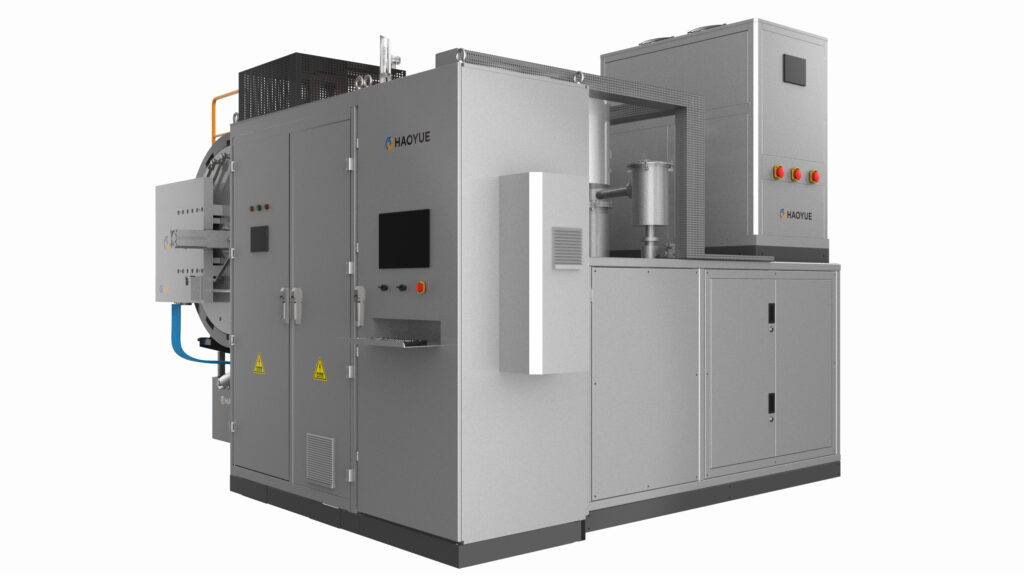







In the rapidly evolving landscape of advanced metallurgy, technical ceramics, and semiconductor manufacturing, achieving precise thermal control is paramount. For engineering teams and procurement specialists, partnering with a reliable vacuum furnace manufacturer is the first step toward securing consistent material properties. When evaluating thermal processing options, comparing a vacuum furnace vs atmosphere furnace reveals that vacuum environments eliminate oxidation, prevent contamination, and allow for superior temperature uniformity, making them indispensable for high-value components.
Advanced Sintering Technologies and Comparative Methodologies
Modern powder metallurgy and structural ceramics rely heavily on the vacuum sintering process to achieve high-density microstructures. However, different materials require distinct consolidation techniques. For instance, when analyzing SPS vs hot pressing (Spark Plasma Sintering versus Hot Pressing), engineers must weigh the rapid heating rates of SPS against the steady, continuous pressure of traditional hot pressing. Sourcing from an experienced SPS furnace manufacturer allows facilities to produce nanostructured materials with minimal grain growth, while consulting a hot pressing furnace manufacturer remains vital for large-scale, simple-geometry structural parts.
For applications where extreme density and elimination of internal porosity are non-negotiable, evaluating HIP vs vacuum sintering (Hot Isostatic Pressing) is crucial. Working with an established HIP manufacturer ensures access to high-pressure gas consolidation that can heal micro-voids in cast components. In contrast, the choice of vacuum sintering vs pressure sintering often depends on the material’s dissociation pressure; utilizing a gas pressure sintering furnace is highly effective for preventing thermal decomposition during silicon carbide sintering and other non-oxide ceramic processes.
Material-Specific Sintering and Industry Applications
Different industrial sectors demand specialized thermal equipment designed for specific material profiles. In the tooling industry, the standard for tungsten carbide sintering involves precise carbon control, typically processed in a specialized carbide tool sintering furnace to ensure optimal hardness and wear resistance. Meanwhile, the medical and dental fields have unique biocompatibility and aesthetic standards. The zirconia sintering process and alumina sintering process require ultra-clean environments, often achieved using a dedicated medical implant sintering furnace or a dental implant vacuum furnace to prevent any metallic contamination.
For refractory metals, high-temperature capabilities are essential. Achieving the high temperatures crucial for molybdenum sintering requires careful consideration of the hot zone construction. Comparing a graphite furnace vs molybdenum furnace highlights that while graphite offers cost-effective high-temperature performance, molybdenum hot zones are mandatory for clean, carbon-free environments. Similarly, the energy sector relies on specialized heating configurations, utilizing an advanced battery material sintering furnace to synthesize high-purity cathode and anode compounds.
Specialized Heat Treatment, Joining, and Microelectronics
Beyond sintering, vacuum thermal processing plays a critical role in component assembly and surface modification. The vacuum brazing process offers exceptional joint strength and clean aesthetics for complex assemblies. When comparing vacuum brazing vs conventional brazing, vacuum operations eliminate the need for corrosive fluxes and prevent oxidation, making it the preferred method for high-performance heat exchangers. Partnering with a qualified vacuum brazing furnace manufacturer ensures that the equipment can handle precise ramp rates and vacuum levels required for repeatable joint integrity.
Furthermore, post-processing techniques such as utilizing a vacuum annealing process to relieve residual stresses and the vacuum hardening process to achieve precise hardness profiles are vital for high-stress components. This is especially true for demanding titanium alloy heat treatment in the aerospace sector, relying on an aerospace vacuum furnace or an aerospace heat treatment furnace certified to strict AMS2750 standards.
In the high-tech sector, cleanroom-compatible thermal processing is mandatory. Utilizing a specialized semiconductor vacuum furnace system ensures contaminant-free processing of silicon wafers and advanced substrates. For processes requiring reducing atmospheres to eliminate oxides, using a vacuum hydrogen furnace provides the necessary safety controls and atmospheric purity. Ultimately, selecting a top-tier vacuum sintering furnace manufacturer and a comprehensive vacuum heat treatment furnace manufacturer guarantees that your thermal processing infrastructure meets the rigorous demands of modern industrial manufacturing.