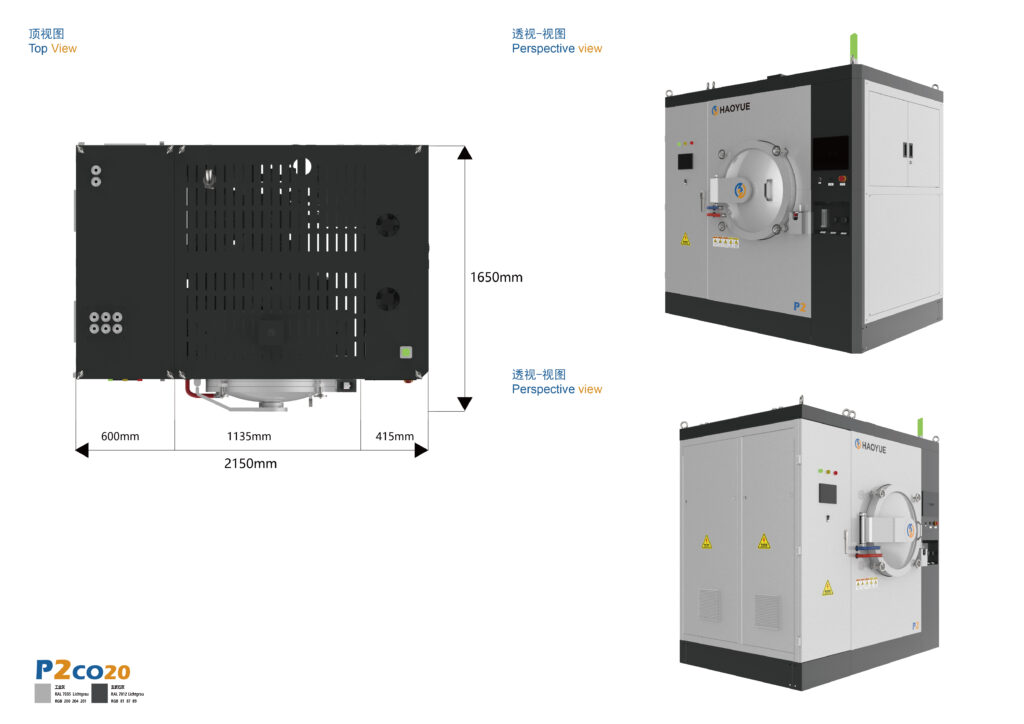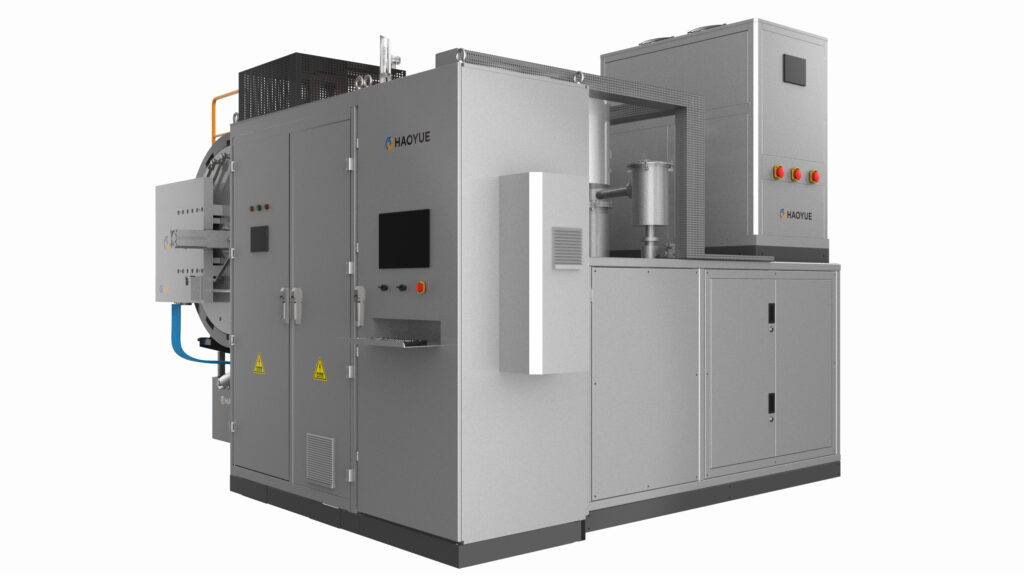






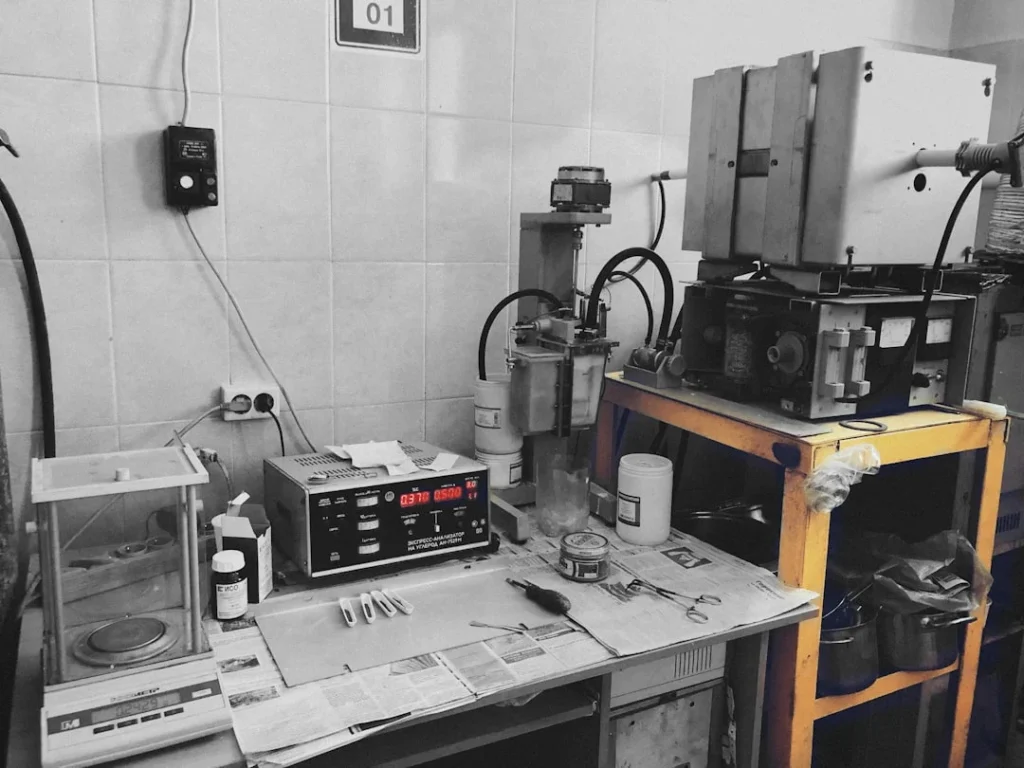
In high-performance manufacturing, achieving optimal material density, structural integrity, and purity requires precise thermal processing. Selecting the right partners, such as a reputable vacuum furnace manufacturer or a specialized vacuum sintering furnace manufacturer, is the first step toward securing reliable thermal processing systems. These advanced systems facilitate the vacuum sintering process, which eliminates atmospheric contaminants to produce components with exceptional mechanical properties. By utilizing controlled thermal cycles under vacuum or low-pressure gas environments, manufacturers across critical sectors can achieve unprecedented levels of consistency and performance.
Material-Specific Sintering Processes
Different advanced materials demand distinct thermal profiles and environmental controls. For instance, the silicon carbide sintering process requires extremely high temperatures, often exceeding 2000°C, to facilitate solid-state diffusion in non-oxide ceramics. Conversely, the zirconia sintering process and the alumina sintering process are highly sensitive to impurities, necessitating ultra-clean environments to maintain structural and aesthetic integrity. These oxide ceramics are widely processed using a medical implant sintering furnace or a dedicated dental implant vacuum furnace to ensure biocompatibility and high mechanical strength.
For refractory metals and hard metals, thermal processing must prevent oxidation while promoting rapid densification. During tungsten carbide sintering, precise carbon control is vital to prevent decarburization, which is typically managed in a specialized carbide tool sintering furnace. Similarly, molybdenum sintering requires precise temperature uniformity to avoid grain growth and embrittlement, ensuring that the final refractory components retain their high-temperature strength and ductility.
Comparative Technologies in Thermal Engineering
Choosing the correct equipment requires a deep understanding of competing technologies. When evaluating SPS vs hot pressing (Spark Plasma Sintering vs Hot Pressing), engineers must weigh the rapid heating rates and shorter cycle times of SPS against the established, uniform pressure application of traditional hot pressing. Consulting an experienced SPS furnace manufacturer or a hot pressing furnace manufacturer can help determine which system matches your production throughput and geometry requirements.
Similarly, comparing HIP vs vacuum sintering highlights the difference between pressure-assisted densification and pressureless sintering. While standard vacuum sintering is highly cost-effective, Hot Isostatic Pressing (HIP) eliminates internal porosity through simultaneous high temperature and isostatic gas pressure. Working with a certified HIP manufacturer is often necessary for critical aerospace and medical components where zero-defect tolerance is mandatory. This distinction is central to the debate of vacuum sintering vs pressure sintering, where the latter, often performed in a gas pressure sintering furnace, uses overpressure to suppress thermal decomposition of materials like silicon nitride.
On the equipment hardware side, choosing a vacuum furnace vs atmosphere furnace depends on the susceptibility of the workload to oxidation. Furthermore, the internal hot zone construction—specifically a graphite furnace vs molybdenum furnace—presents distinct operating trade-offs. Graphite hot zones offer excellent thermal shock resistance and lower cost at extreme temperatures, whereas molybdenum hot zones are preferred for ultra-clean, carbon-free processes such as those required in semiconductor and medical applications.
Advanced Heat Treatment and Brazing Technologies
Beyond sintering, precise thermal control is essential for joining and modifying metallic microstructures. The vacuum brazing process offers a clean, flux-free method to join dissimilar metals or ceramics. When comparing vacuum brazing vs conventional brazing, the vacuum method eliminates the risk of flux entrapment and oxidation, resulting in cleaner, stronger joints that require no post-braze cleaning. Partnering with a specialized vacuum brazing furnace manufacturer ensures that your equipment is configured with the correct vacuum levels and heating element layouts for complex assemblies.
For microstructural modification, a leading vacuum heat treatment furnace manufacturer provides systems optimized for various thermal cycles. The vacuum annealing process is used to relieve internal stresses and restore ductility in cold-worked metals, while the vacuum hardening process achieves superior hardness and wear resistance without surface decarburization. These processes are highly critical during titanium alloy heat treatment, where even trace amounts of oxygen or hydrogen can cause severe embrittlement, requiring precise vacuum levels and rapid gas quenching capabilities.
Industry-Specific Applications and Equipment Selection
Modern industrial sectors require tailored thermal solutions. In aerospace manufacturing, components must meet stringent AMS2750 standards. Utilizing an aerospace vacuum furnace or a certified aerospace heat treatment furnace guarantees compliance, precise temperature uniformity, and comprehensive data logging for safety-critical parts. In the electronics sector, the deployment of a high-purity semiconductor vacuum furnace is vital for wafer processing, thin-film deposition, and annealing steps where contaminant levels must be kept to parts-per-billion levels.
For energy storage and advanced chemical processing, a specialized battery material sintering furnace is designed to handle the corrosive outgassing and precise atmosphere controls required during anode and cathode powder synthesis. Additionally, utilizing a vacuum hydrogen furnace allows for excellent thermal transfer and reducing atmospheres, which are highly effective for cleaning oxide layers from sensitive metals before final processing.
Conclusion
Selecting the optimal thermal processing technology requires a comprehensive understanding of material science, equipment capabilities, and industry standards. Whether you are evaluating the nuances of SPS vs hot pressing, optimizing a complex titanium alloy heat treatment cycle, or selecting the ideal hot zone material for your next system, collaborating with an experienced manufacturer ensures long-term operational success and superior product quality.